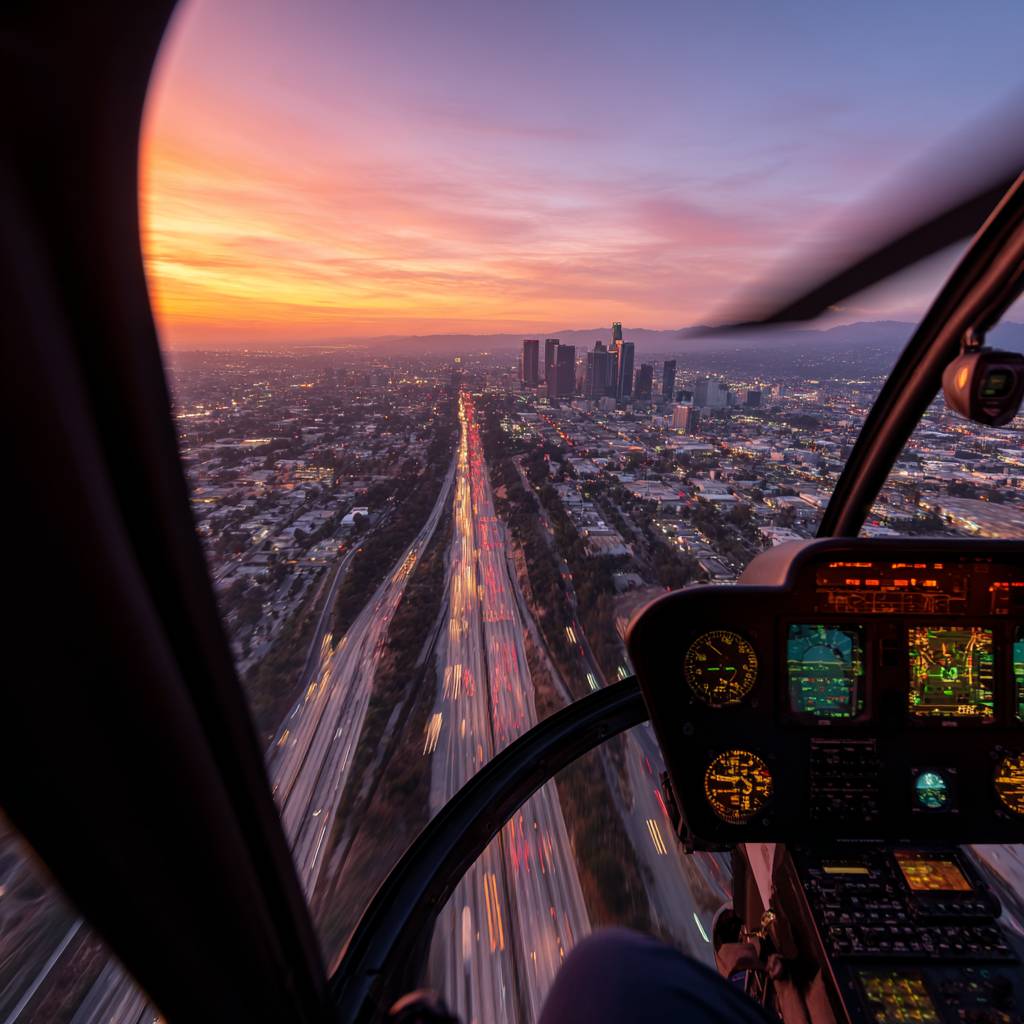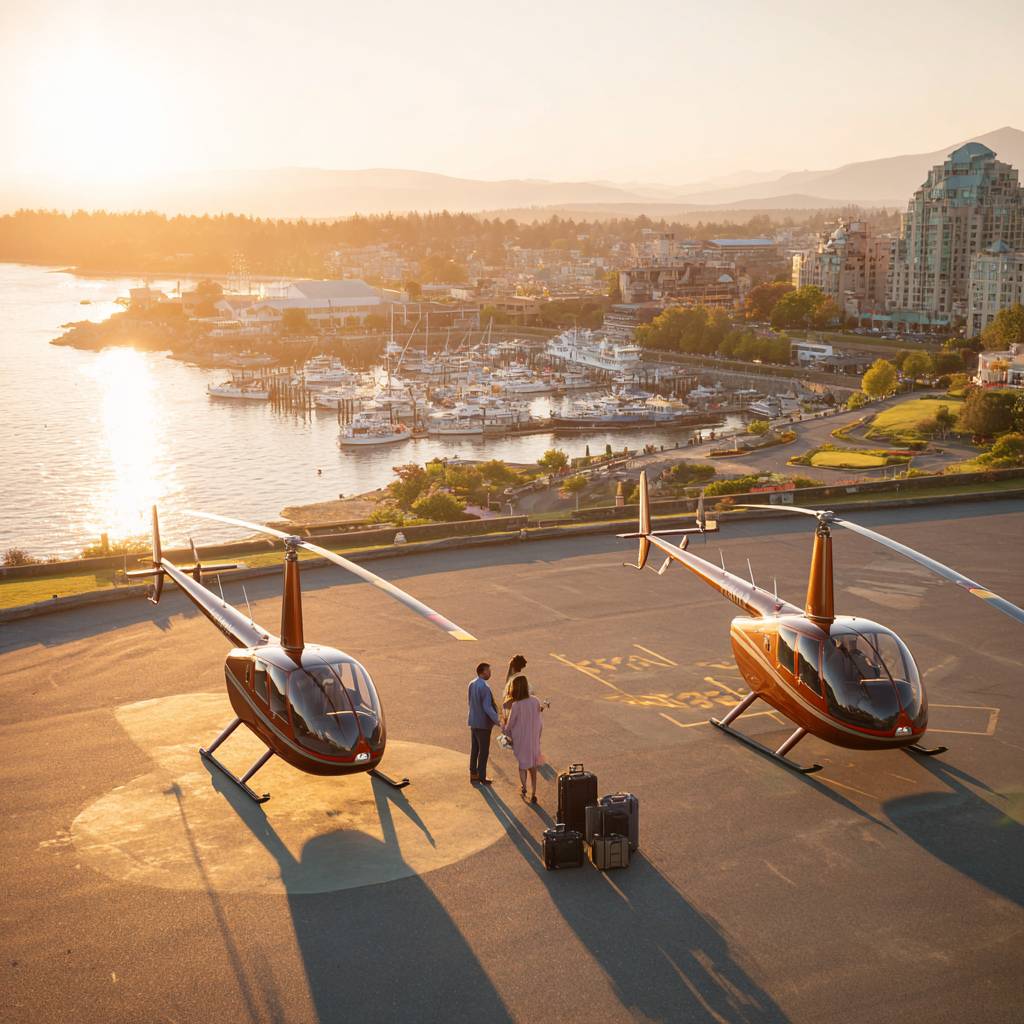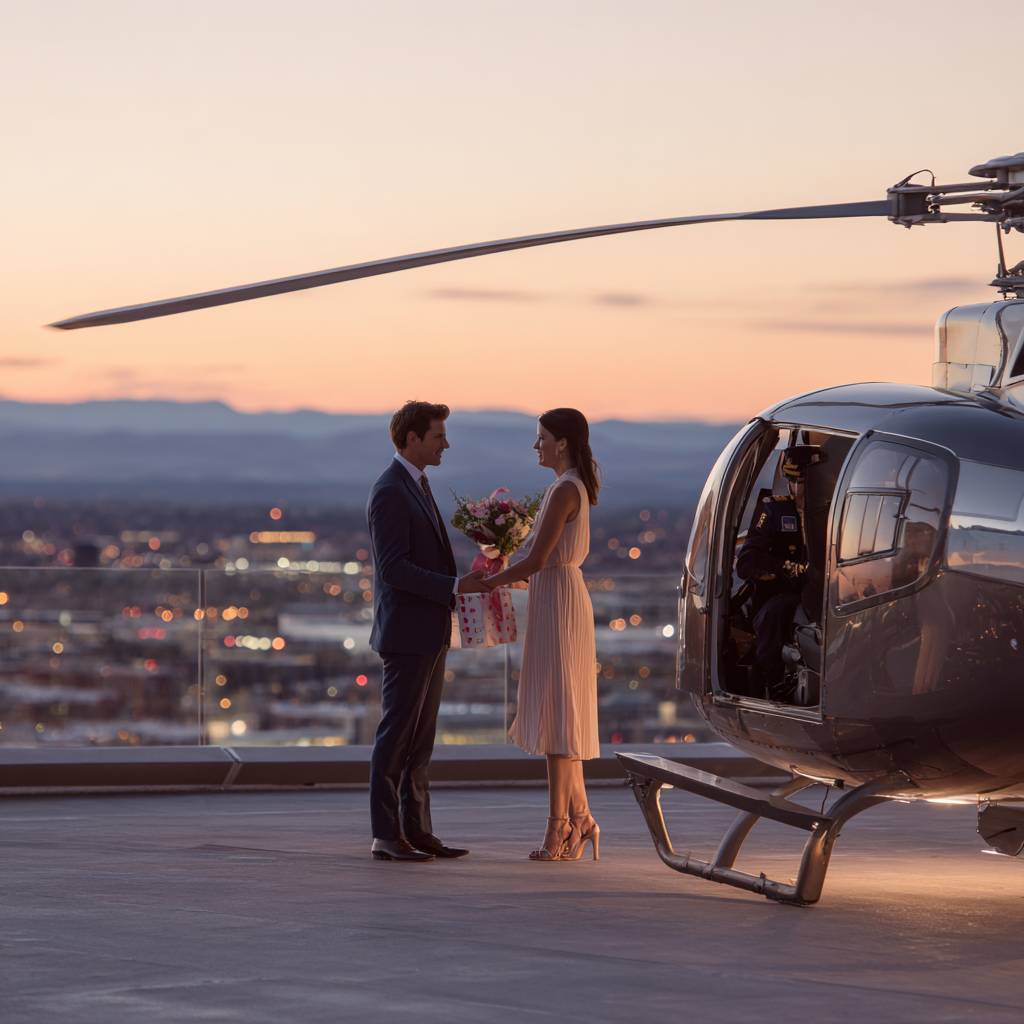
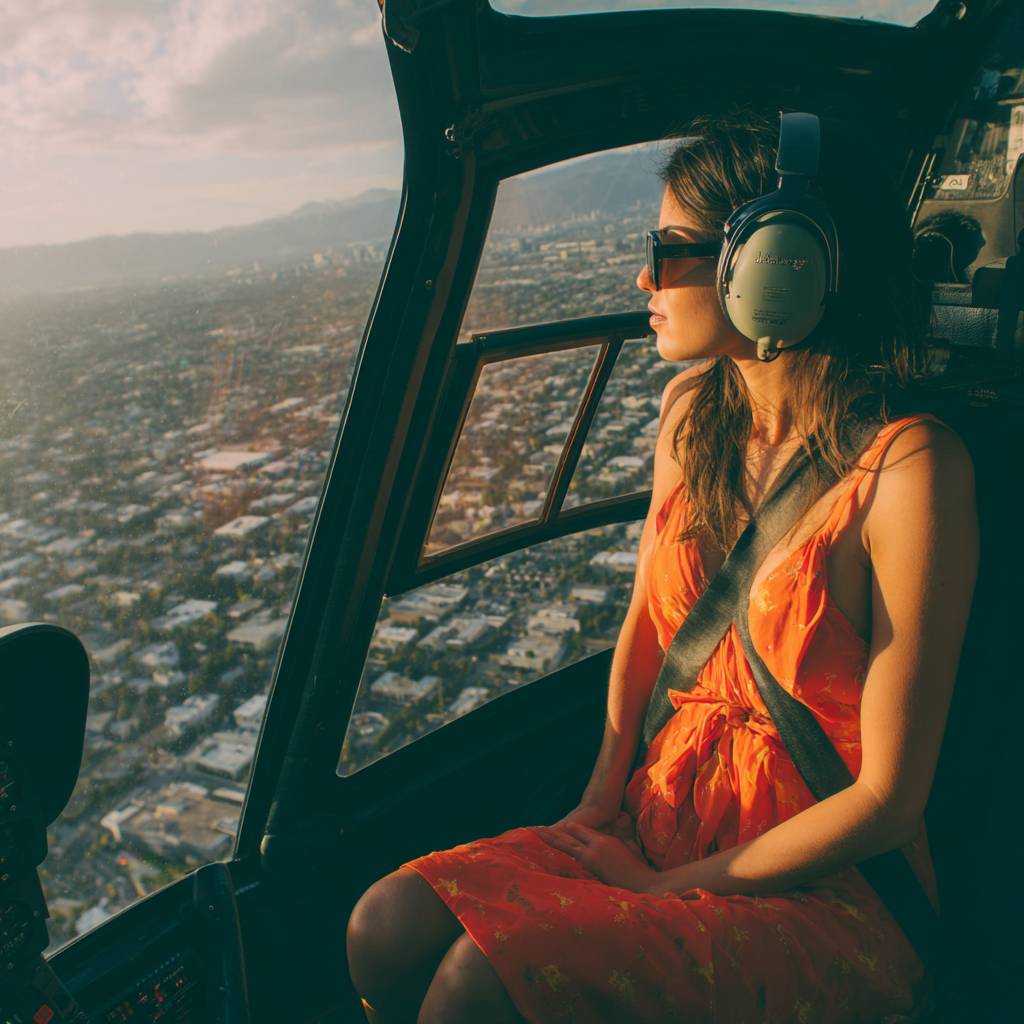
Wear layered, streamlined clothing: moisture-wicking base, light insulated mid-layer, and wind-resistant shell; pick matte, low-glare colors (charcoal/navy/olive). Choose secure, closed-toe shoes with low-profile, non-marking soles. Skip scarves, loose jewelry, bulky belts, and wide-brim hats; use a snug cap. Pack FAA-friendly essentials only: ID, booking, small first-aid, motion-sickness tabs, sunscreen stick, compact snacks, collapsible bottle in a small soft bag. Tether cameras, no drones. Confirm weight limits and gear rules with your operator—there’s more that’ll optimize comfort and safety.
Dress for Altitude: Smart Layers for LA’s Microclimates
Even on clear days, LA’s microclimates shift fast with altitude and wind, so plan layers you can adjust in-flight. Prioritize microclimate awareness: marine layers cool the basin, while sun-warmed foothills and desert thermals rapidly vary temperatures. Expect altitude effects to drop ambient temperature roughly 2–3°F per 1,000 feet and increase wind chill near doors and vents.
Choose a moisture-wicking base to manage sweat during hot-to-cool shifts. Add a lightweight, compressible, insulated mid-layer. Top it with a wind-resistant, low-bulk shell; avoid noisy fabrics that interfere with headsets. Opt for snug cuffs and hems to prevent flapping. Keep zippers and pulls minimal to avoid snag hazards. Stow an extra layer in a secure pocket; you’ll adapt quickly without compromising safety.
Footwear That Works: Secure, Closed-Toe Options
Layering keeps your core comfortable, but your footing matters just as much once the rotors spin. Choose secure, closed-toe shoes that lock your heel and shield your toes. Prioritize comfortable materials that resist stretching, so laces stay tight and eyelets don’t creep. A low-profile sole with multidirectional traction features improves grip on metal steps, wet tarmac, and hangar floors. Avoid open-toe styles, sandals, heels, and bulky boots; they compromise stability, snag harnesses, or reduce pedal feel. Opt for lace-ups with flat, snag-resistant laces or dial systems you can micro-adjust and tuck. Verify the outsole is non-marking and oil-resistant to maintain friction. Keep soles clean; debris reduces coefficient of friction. Finally, confirm your shoe weight won’t fatigue ankles during loading.
Camera-Ready Colors: Avoiding Glare and Reflections
While bright hues look fun on the tarmac, they can sabotage photos and cockpit visibility. Opt for matte, low-luminance color palettes—charcoal, navy, olive, and sand—because they minimize internal reflections on acrylic canopies. High-saturation reds, neons, and white spike reflectance, polluting wide-angle shots and distracting the pilot. Dark, non-gloss fabrics deliver glare reduction, especially under Southern California sun angles. Avoid metallic threads and high-sheen finishes that mirror avionics lighting and skyline highlights. Pattern wisely: micro-patterns can strobe on camera; solid, muted tones render cleaner.
- Choose matte fabrics with sub-10% specular reflectance to limit cockpit reflections and lens flare.
- Prioritize darker, cool color palettes to stabilize exposure and preserve dynamic range.
- Coordinate layers in similar tones to prevent contrast bands that trigger auto-exposure hunting.
Accessories to Skip and Safe Alternatives
Keep those glare-smart fabrics in mind as you edit your add-ons, because certain accessories create hazards in a helicopter’s confined, high-vibration environment. Skip scarves, wide-brim hats, and loose jewelry; they can snag on buckles, migrate in rotor wash, or create distracting noise on headsets. Avoid metal bangles, long necklaces, and dangling earrings that can strike acrylic windows. Ditch bulky belts and oversized watches that interfere with harness fit. Trade rigid frames and polarized lenses that complicate instrument visibility for matte-finish sunglasses with secure temples.
Choose accessory alternatives that prioritize retention and low profile: soft beanies, snug caps, and silicone-ring substitutes. Opt for flat, non-reflective studs, sport straps for eyewear, and minimalist, non-metal smartwatch bands. Keep essential items wearable and streamlined to maintain restraint integrity and situational awareness.
What to Pack in a Small Day Bag
Two essentials guide your small day bag: critical documents and compact safety gear. Pack a government ID, booking confirmation (digital and paper), and a slim medical info card. Add a mini first-aid kit, motion-sickness tabs, and a compact sunscreen stick. Keep everything FAA-friendly: no aerosols, no knives, and containers under 3.4 oz. Choose lightweight snack options with low crinkle packaging, plus hydration essentials like a collapsible, empty bottle for post-flight refills. Include a slim power bank, short cable, and earplugs for preflight noise. Use a low-profile, soft-sided bag that fits under-seat constraints.
- Risk mitigation: ID redundancy, medical info, and emergency contacts improve response time.
- Performance support: electrolytes, protein-forward snack options stabilize energy.
- Operational efficiency: pack cubes, labeled pouches, and cable ties prevent rummaging.
Photo Gear Tips: Lenses, Settings, and Anti-Glare Tricks
How do you capture sharp, glare-free shots through a helicopter’s plexiglass without compromising safety? Choose compact lens choices: a stabilized 24–70mm for versatility and an 85–135mm for compressed cityscapes. Avoid bulky hoods that can contact the window. Use a soft rubber lens skirt or press the barrel gently to the plexiglass to block reflections—never force or brace on airframe parts.
Dial pragmatic camera settings: shutter priority at 1/800–1/1250 sec to freeze vibration, auto ISO capped around 1600–3200, and aperture around f/4–f/5.6. Disable lens VR/IS if you firmly contact the plexi; enable it if you’re shooting off-window. Set continuous AF with subject tracking, and burst low/medium to manage buffer. Wear dark, matte clothing to reduce internal reflections, and carry a microfiber cloth for rapid de-fogging.
Hair, Hats, and Headsets: Comfort Without the Fuss
One simple rule improves comfort and safety: secure your hair and choose headwear that won’t interfere with the headset or aircraft restraints. Use low-profile hair accessories—elastic ties, coil bands, or flat clips—to keep strands from contacting mic booms or snagging buckles. Favor headband options with slim, non-metal cores; they sit under ear cups without breaking the seal. Skip wide-brim hats; turbulence can lift them and disrupt comms. If you need sun coverage, pick a soft, shallow brim that compresses under the headset. Before boarding, adjust the headband and mic so ear cups fully seal; you’ll hear ATC and tour narration clearly.
- Test fit: don headset, move jaw, check seal integrity.
- Route hair below collar line.
- Pack spares: minimalist ties, compact headband options.
Weather, Weight Limits, and What Operators Allow
You’ll plan for typical LA sky conditions—marine layer mornings, bright midday sun, and cool, gusty evenings—so layer with non-bulky outerwear. Expect strict weight and balance rules: operators weigh passengers and bags, may set per-seat limits, and can reassign seating to keep the center of gravity in range. Confirm allowed gear and bags in advance; most permit compact soft-sided bags, secure cameras, and snug clothing, while restricting loose items and oversized backpacks.
Typical LA Sky Conditions
Although Los Angeles is famous for clear skies, coastal marine layers, afternoon sea breezes, and seasonal Santa Ana winds can alter visibility and turbulence—factors operators track closely before flight. Expect typical weather to shift by microclimate: cool, hazy coastlines and warmer, clearer valleys. Morning marine strata can cap sky visibility below VFR minimums until it burns off; late-day onshores may add bumps over passes and canyons. Pilots adapt routes, altitudes, and timing to maintain stable air and sharp sightlines for photography.
- Check METAR/TAF for your departure and alternates; note ceilings, winds aloft, and temperature-dew point spreads influencing sky visibility.
- Wear layered, non-loose clothing; coastal cool plus cabin airflow can chill you.
- Bring polarized sunglasses; they reduce glare, improve contrast, and aid horizon detection.
Weight and Balance Rules
Two constraints govern every helicopter tour: weather minima and weight-and-balance limits. Operators calculate the center of gravity before every flight, so you’ll be seated to optimize weight distribution and performance. Expect passenger limits per aircraft and per seat; some fleets impose individual maximums and a combined group cap. You may be weighed discreetly—accuracy matters for hover power, tail-rotor authority, and climb gradients in LA’s hot, high-density-altitude afternoons.
Wear streamlined clothing and secure items on your person so scales read true, and the cockpit stays free of shifting mass. If you’re near a threshold, notify the operator when booking—dispatch can select a higher-performance model or adjust fuel planning. Follow seating assignments precisely; they’re not arbitrary, they’re engineered for safety and efficiency.
Allowed Gear and Bags
Most operators allow only compact, soft-sided bags and essential gear that won’t compromise weight, balance, or cockpit security. Expect strict baggage restrictions: small crossbody or sling bags fit under seats; hard cases and oversized backpacks don’t. Confirm permitted items before arrival—some operators provide lockable storage for anything that can’t fly. Weather matters: bring a light layer and stowables that won’t become loose objects in turbulence. Cameras and phones are fine when wrist-tethered; drones stay on the ground.
- Verify weight limits: add your body weight plus gear; operators may reweigh to maintain CG and fuel margins.
- Choose low-profile gear: soft shells, collapsible water bottles, microfiber cloths; avoid carabiners and protrusions.
- Secure electronics: Use short cables, lens caps, and non-reflective filters to reduce cockpit glare.
Conclusion
You might worry that safety gear and sensible layers will ruin your photos, but they won’t—you’ll look sharp and stay protected. Choose non-reflective, darker clothing, secure closed-toe shoes, and compact photo gear with a polarizer. Stash essentials in a small, operator-approved bag and skip loose accessories. Tie back hair; rely on the headset, not hats. Check weather, weight limits, and restrictions before departure. You’ll be comfortable, compliant, and camera-ready—from takeoff to touchdown.