

Choose a private helicopter tour when you need firm timing, streamlined check-in, and full control of your passenger list and seating—ideal for families, VIPs, filming, or tight ground-transfer connections. You’ll usually pay a flat charter rate, with possible add-ons like landing fees or positioning legs. Pick a shared flight when you’re flexible on departure windows and can seat-split to lower per-person cost, even if routing stays standard. Ahead, you’ll see how to match price, seats, and schedule.
Quick Decision Guide: Private Helicopter Tour vs. Shared
Wondering which option best fits your group? Choose a private helicopter tour when you need fixed timing, streamlined check-in, and predictable group seating for families, VIPs, or teams with gear. You’ll control the manifest, align weight-and-balance faster, and reduce last-minute reassignments, which supports smoother safety briefings and calmer boarding.
Pick a shared flight when your party is flexible on departure windows and can split across available seats. You’ll coordinate fewer custom requests, but you should plan for staggered arrival, ID checks, and seating changes to meet aircraft limits. If your agenda depends on privacy, filming, or tight ground transportation connections, opt for a private option. If you’re optimizing access and your schedule can float, shared works well. Confirm private pricing terms early.
Private vs. Shared Helicopter Pricing: How It’s Charged
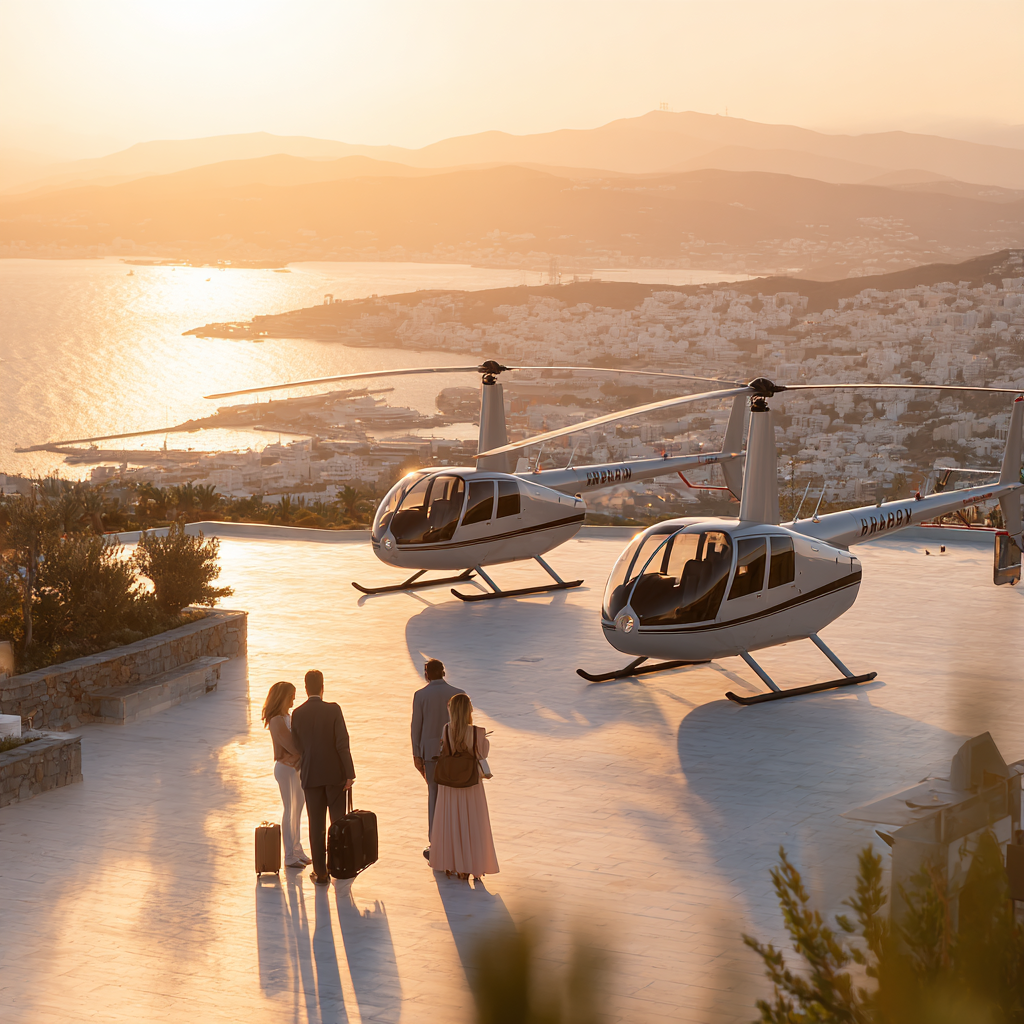
How does helicopter tour pricing actually get calculated for private versus shared flights? It comes down to how operators allocate aircraft time, crew duty limits, and fixed operating costs across passengers while meeting safety and maintenance requirements.
With private pricing, you’re typically charged a flat charter rate by flight time (and sometimes minimum hours), plus add-ons like landing fees, fuel surcharges, and after-hours staffing. You will also be charged for positioning legs if the helicopter must relocate to pick you up. With shared pricing, you pay per seat, and the operator spreads the same flight-hour costs across multiple parties; schedules and routes must match published inventory. You’ll see price differences driven by demand forecasting, weight-and-balance limits, and last-minute availability. Always confirm what’s included, cancellation rules, and weather-related rescheduling.
Cabin Experience: Privacy, Comfort, and Seating
Once you’ve compared private charter rates against per-seat shared pricing, the next decision often comes down to what it feels like inside the aircraft. With a private cabin, you control who’s on board, which enhances privacy and comfort for executive conversations, family moments, or sensitive gear. Shared flights can still feel premium, but you’ll ride with other guests and accept tighter personal space.
Look closely at the seating arrangement. Private tours often allow you to pre-assign seats for weight-and-balance planning, keep children beside caregivers, and reserve camera-side positions for unobstructed views. On shared flights, operators seat passengers to optimize center-of-gravity limits and headset routing, so you may sit apart. Either way, you’ll get safety briefings, aviation headsets, and secured stowage.
Timing and Itinerary Control: Who Gets Flexibility
When do you actually get to choose the takeoff time, route, and stopovers? With a private helicopter, you typically can. You’ll align departure around your meeting window, ground transfers, and daylight, then propose routing and landing points. The operator still validates everything against weather, airspace, performance margins, and permit rules, so your plan stays safe and compliant.
On shared flights, you trade timing flexibility for a fixed schedule. You’ll fit into preset departures, standardized routes, and preapproved viewpoints, with limited ability to add stops. If delays occur, the operator prioritizes safety and network efficiency, not individual preferences. For maximum itinerary control, private bookings let you iterate quickly, confirm changes fast, and coordinate real-time updates with the flight team.
Best Option by Group Size and Occasion
Itinerary control matters most if your group size and occasion demand tight coordination, but the right choice often comes down to headcount, priorities, and tolerance for fixed schedules. For 1–2 passengers, shared flights can be efficient when you’re cost-led and can align with published slots. For groups of 3–6, private tours usually reduce transfer time, seat-splitting risk, and last-minute reshuffling, while keeping your party on a single safety brief and a single manifest. For 7+ or multi-aircraft needs, prioritize operators that coordinate dispatch, weight-and-balance, and communications across ships. Choose private tours for proposals, VIP hosting, filming, or tight event windows where privacy, routing, and contingency planning matter. Pick shared flights for casual sightseeing when flexibility isn’t critical.
Conclusion
If you’re torn, think like a dispatcher: match the flight plan to your mission. When a client once booked a shared tour for a proposal, a 20‑minute lineup delay pushed them into a haze—like hitting holding patterns when you need a clear approach. Private tours cost more, but you control seats, timing, and routing, and you’ll brief your group without strangers onboard. Shared flights work when you’re flexible and budget-led. Choose the option that keeps your margin safe.