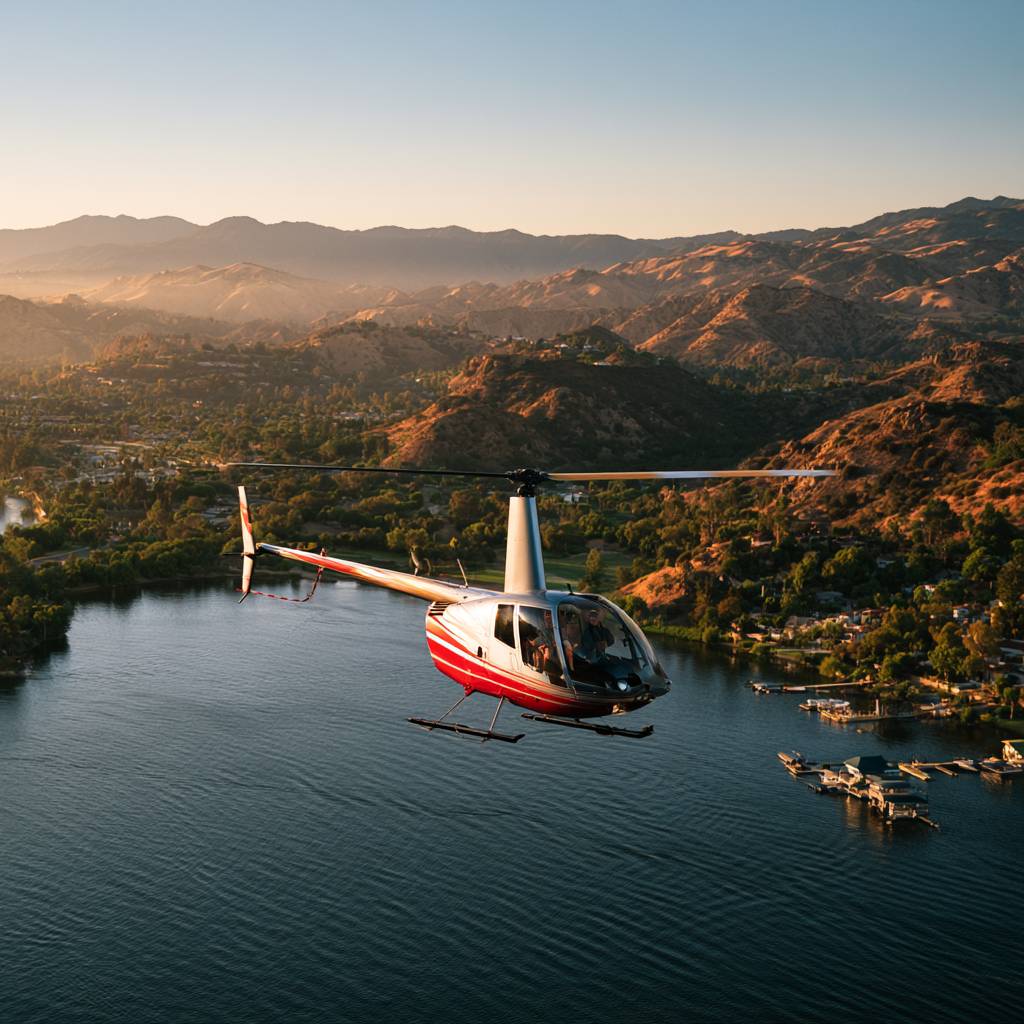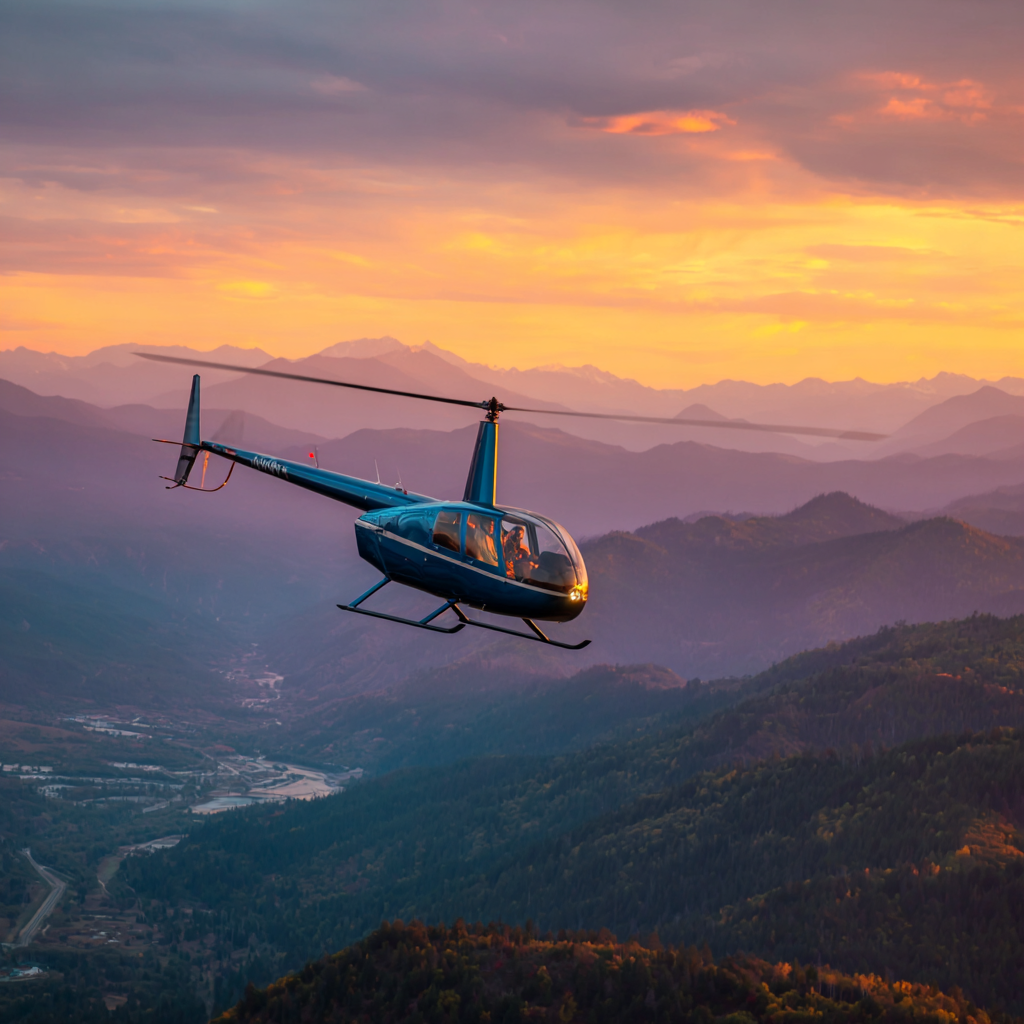
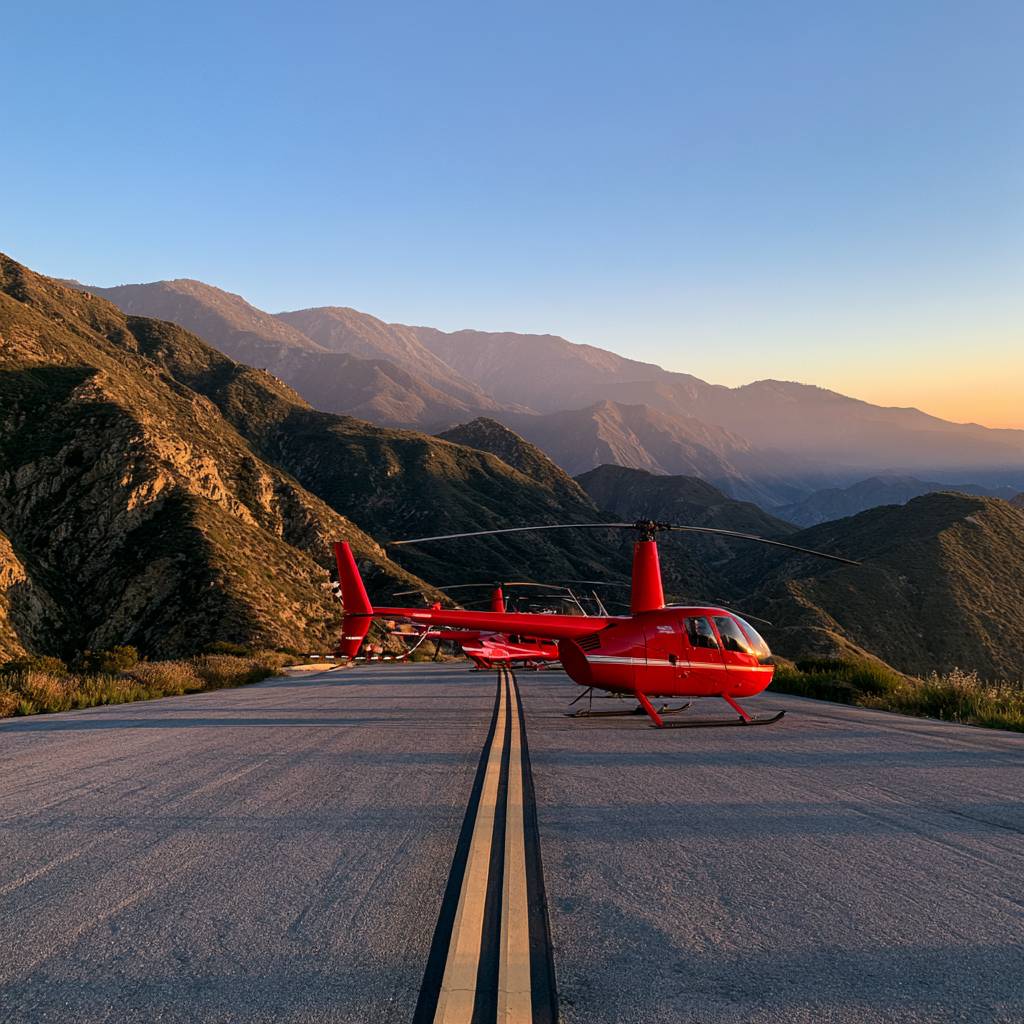
You use helicopter charters to reach hard-to-access sites faster when roads add hours and airline schedules don’t match your timing. You fly point-to-point, bypassing congestion, airport transfers, and extra handling that can delay teams, specialized gear, or time-critical cargo. You set up a safe landing zone with clear size, slope, surface strength, obstacle clearance, wind marking, and one on-site contact for updates. Next, you’ll see how to plan missions, fuel, permits, and weather contingencies.
Helicopter Charter vs Roads and Airlines: When It Wins
When does a helicopter charter beat roads and airlines? You win when ground routes add hours, airports sit far from the worksite, or schedules can’t match mission timing. You move point-to-point, avoid congestion, and reduce transfers that introduce delays and handling risk. That’s helicopter efficiency: fewer handoffs, tighter ETAs, and faster response for inspections, medevac standby, critical spares, or executive site visits.
You also win when charter economics favor total trip cost, not just seat price. If you’re moving a small team, specialized gear, or time-critical cargo, the productivity gained can outweigh hourly rates. You keep control of departure windows, align with weather minima and safety SOPs, and shorten exposure by flying the direct line.
Landing Zone Basics for Remote Helicopter Charters
How do you turn a remote clearing, pad, or ridgeline into a safe, efficient touchdown point? You start with measurable criteria: size, slope, surface bearing strength, and obstacle clearance for approach and departure. You’ll mark wind direction, identify loose debris, and establish a single point of contact to relay updates to the pilot. For high-altitude landings, you’ll plan for reduced rotor performance by increasing margins, limiting payload, and choosing cooler time windows. If wetland navigation is involved, you’ll avoid saturated ground, select elevated pads or temporary mats, and set clear no-go boundaries for people and vehicles. You’ll stage cargo by weight order, keep radios charged, and enforce rotor-wash exclusion zones.
Common Remote Destinations for Helicopter Charters

Once you’ve confirmed a landing zone that meets size, slope, surface strength, and obstacle-clearance requirements, the next step is choosing destinations where that disciplined setup delivers the most value: remote worksites, isolated communities, and terrain that turns ground travel into hours or days. You’ll often charter to mountain ridgelines, glacier camps, offshore platforms, and forest blocks where roads end, and payload timing matters. Mining and energy sites use helicopters to move crews, spares, and sensors without interrupting operations. Utilities rely on them for tower access and aerial inspections that reduce exposure time aloft and on foot. You’ll also support remote medical transfers from clinics, ships, and disaster zones when minutes drive outcomes. For search and rescues, you can insert teams, hoist casualties, and stage supplies safely.
How to Plan a Remote Helicopter Charter Flight
Where do you start if the pickup point sits beyond roads and cell coverage? You begin with mission clarity: passengers, payload weight, dimensions, and critical timing. Share GPS coordinates, elevation, and a brief site sketch so the operator can model approaches and turnaround space. Build planning logistics around a single source of truth—manifest, gear list, and contact chain—with backup satcom details. Optimize efficiency by staging loads, pre-positioning support crews, and defining a clean handoff zone for cargo and people.
Next, lock in fuel planning early: estimate lift impacts, distance, hover time, and any hot-and-high penalties. Schedule refuel options, rotation cycles, and contingencies for delays without overloading the aircraft. Confirm packaging, tie-down points, and exact pickup windows.
Permits, Weather, and Safety for Helicopter Charters
With the route, payload, and fuel plan set, you now need to clear the operational gates that can stop a flight before it lifts off: permits, weather, and safety controls. Start the permits process early, since land-use approvals, protected-area access, and temporary flight restrictions can change fast. You’ll share coordinates, landing-site details, and timelines so the operator can file, track, and update submissions without rework.
Next, tighten your weather considerations: ceilings, visibility, wind at ridge lines, convective activity, and icing risk all drive go/no-go and alternate-site selection. Use real-time forecasting, satellite links, and pre-identified divert pads to keep schedules resilient. Finally, lock in safety: load manifests, weight-and-balance verification, hazard briefs, PPE, and crew duty limits. You’ll move faster because controls are standardized, auditable, and decision-ready.
Frequently Asked Questions
What Is the Typical Hourly Cost of a Remote Helicopter Charter?
You’ll typically pay $1,500–$5,000+ per flight hour for a remote helicopter charter, depending on aircraft class and mission profile. Your cost structure often includes hourly rate, minimums, positioning/ferry time, crew, fuel surcharges, and landing or permit fees. Operational considerations—weather, altitude, payload, night/IFR capability, and medevac-ready safety gear—drive price. You’ll optimize efficiency by batching legs, staging fuel, and locking schedules early.
How Many Passengers and How Much Luggage Can a Charter Helicopter Carry?
You can carry 3–8 passengers on most charter helicopters, with larger models handling 10–15, and you’ll face strict luggage limits set by weight-and-balance—think 20–40 lb per person, sometimes more. Like Daedalus plotting lift and load, you’ll optimize passengers capacity against fuel, altitude, and weather. You’ll pack soft bags, weigh everything, and follow the pilot’s manifest to keep operations safe, fast, and efficient.
Are Helicopter Charters Suitable for Travelers With Limited Mobility?
Yes, helicopter charters can suit travelers with limited mobility when you plan details upfront. You’ll coordinate indoor accessibility at terminals, request ground transportation assistance services, and confirm door-to-seat transfer procedures. You should review seating arrangements, restraint systems, and any lift or step requirements before booking. Operators will match aircraft and crew to your needs, brief you on safe boarding, and streamline routing to minimize transfers and delays.
Can I Bring Pets or Service Animals on a Charter Helicopter?
Yes—you can often bring pets or service animals on a charter helicopter, but you’ll need strict coordination. One unchecked detail can feel as catastrophic as launching with the wrong fuel plan. You’ll confirm pets policies in advance, including crate requirements, weight limits, and cleaning fees. For service animal compliance, you’ll provide documentation, harnessing plans, and seating constraints. You’ll prioritize rotor safety, noise protection, and fast boarding to keep the schedule tight.
What Onboard Amenities Are Available During a Helicopter Charter Flight?
You’ll typically get noise-canceling headsets, bottled water, climate control, and configurable seating for quick loadouts. Many operators offer onboard connectivity via satellite or air-to-ground links so you can route updates, file e-docs, and stay mission-ready. You’ll also benefit from cabin privacy through tinted windows and controlled cabin access. Expect safety briefings, in-cabin intercoms, and secure baggage stowage to keep weight, balance, and timelines optimized.
Conclusion
When you need fast, reliable access beyond roads and airline schedules, you’ll find helicopter charters deliver. You can confirm landing zones, secure permits, and coordinate payloads and timing with minimal handoffs. You’ll build weather buffers, verify alternates, and follow strict safety checks so your team and cargo arrive as planned. Like a Swiss Army knife for remote logistics, a helicopter lets you adapt quickly—turning distance, terrain, and time into manageable variables.