Want jaw-dropping views without surprises? Pick your route—coast, city, canyons, or a smart combo—and book golden hour or sunrise for the best light. Vet a Part 135 operator, confirm safety briefings, and know weather policies. Plan seating and weight limits, wear fitted layers and closed-toe shoes, and pack light. For photos, use 1/1000s+, burst mode, and stabilized lenses. Manage motion with light snacks, horizon focus, and ginger or meds. Keep going to choose routes, gear, and timing like a pro.
Choosing the Right Route: Coast, City, Canyons, or All of the Above
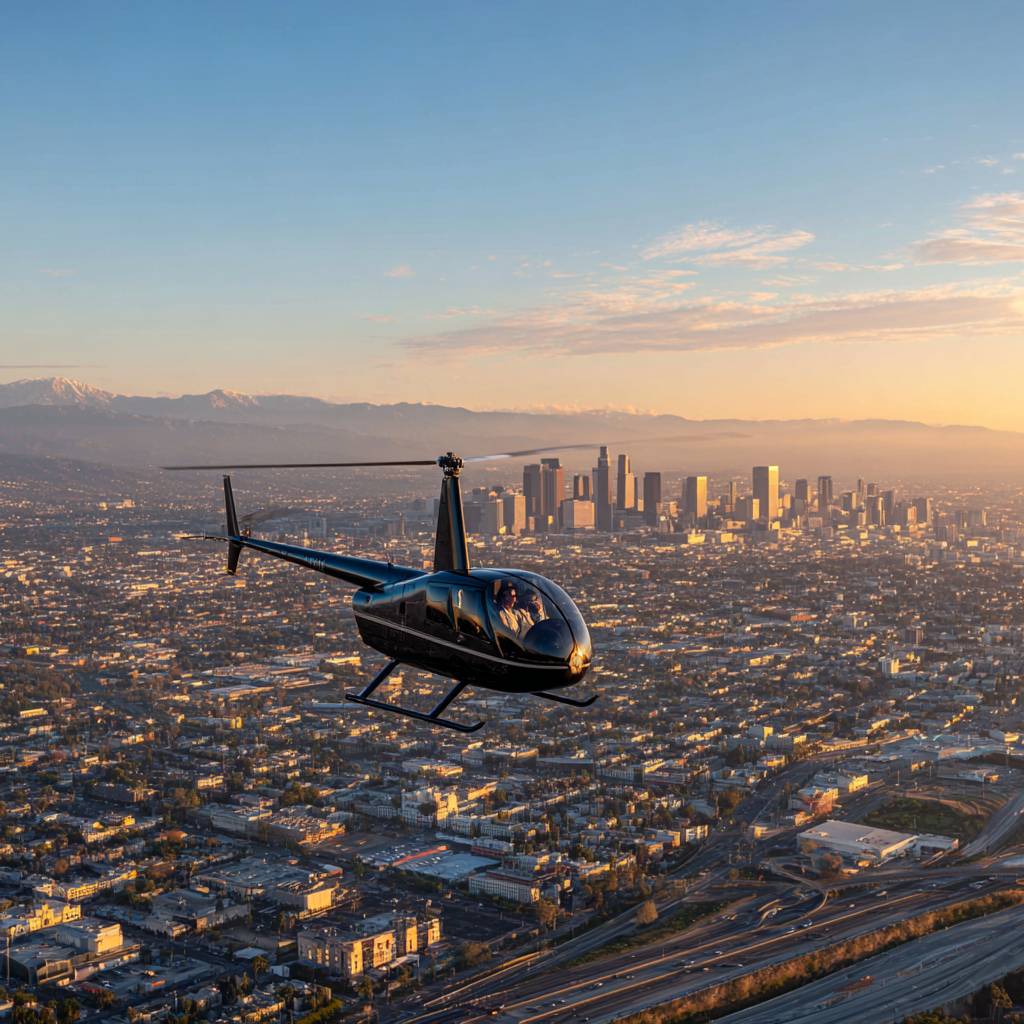
Even before you book, match the route to what you want to see and how much time you have. If you’re craving coastal vistas, pick a shoreline loop skimming Malibu, Santa Monica, and the Palos Verdes cliffs; you’ll get surf, piers, and dramatic headlands in a tight circuit. Prefer urban landmarks? Choose a city-centric route threading Downtown LA, Hollywood, and the Miracle Mile to capture the skyline, the Hollywood Sign, Griffith Observatory, and stadium flybys. For rugged drama, canyon routes carve through Topanga, Malibu Creek, and the San Gabriels, revealing switchbacks and hidden estates. Can’t decide? Hybrid itineraries stack coast, city, and canyons, but confirm flight duration and airspace constraints. Ask about doors-on vs. doors-off, photography angles, and headset upgrades to optimize the experience.
Best Time to Fly: Daylight, Golden Hour, and Night Views
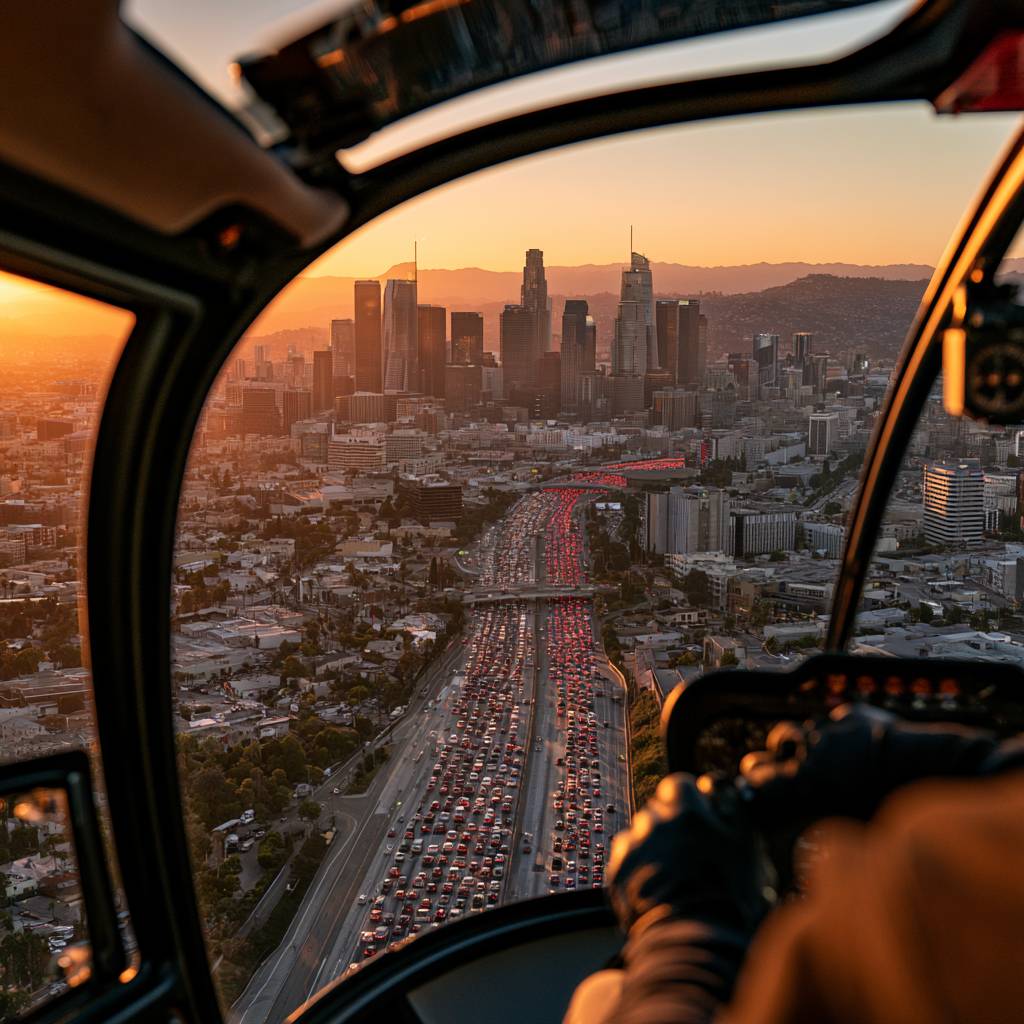
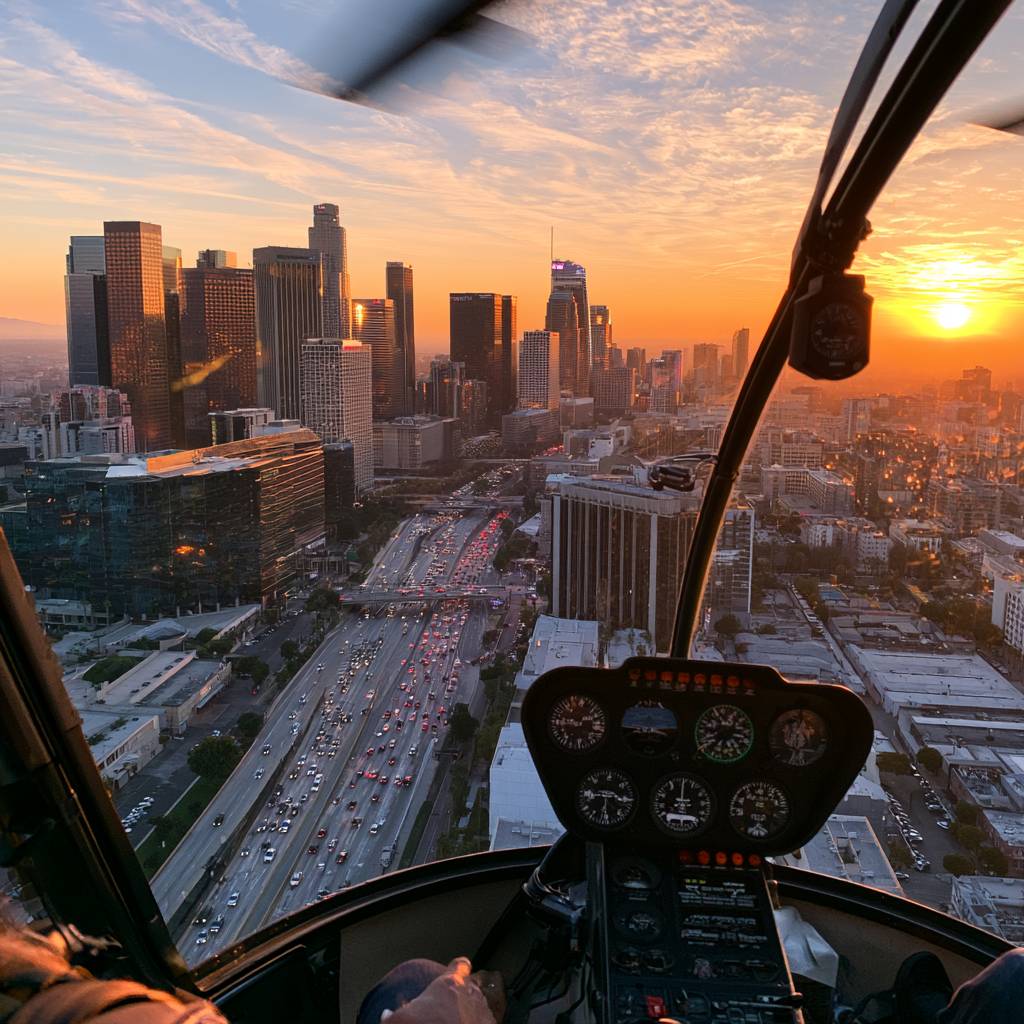
Once you’ve picked a helicopter tour route, timing shapes what you’ll actually see and photograph. Daylight flights give maximum clarity for coastline geometry, downtown architecture, and canyon textures—ideal if you want tack-sharp frames and true-to-life color. Sunrise flights deliver calm air, softer contrast, and fewer heliport queues; you’ll catch the Pacific’s pastel palette and long shadows sculpting the skyline. If you’re optimizing for drama, target golden hour. Sunset views ignite the Hollywood Hills and glass towers with saturated hues, then fade into city lights.
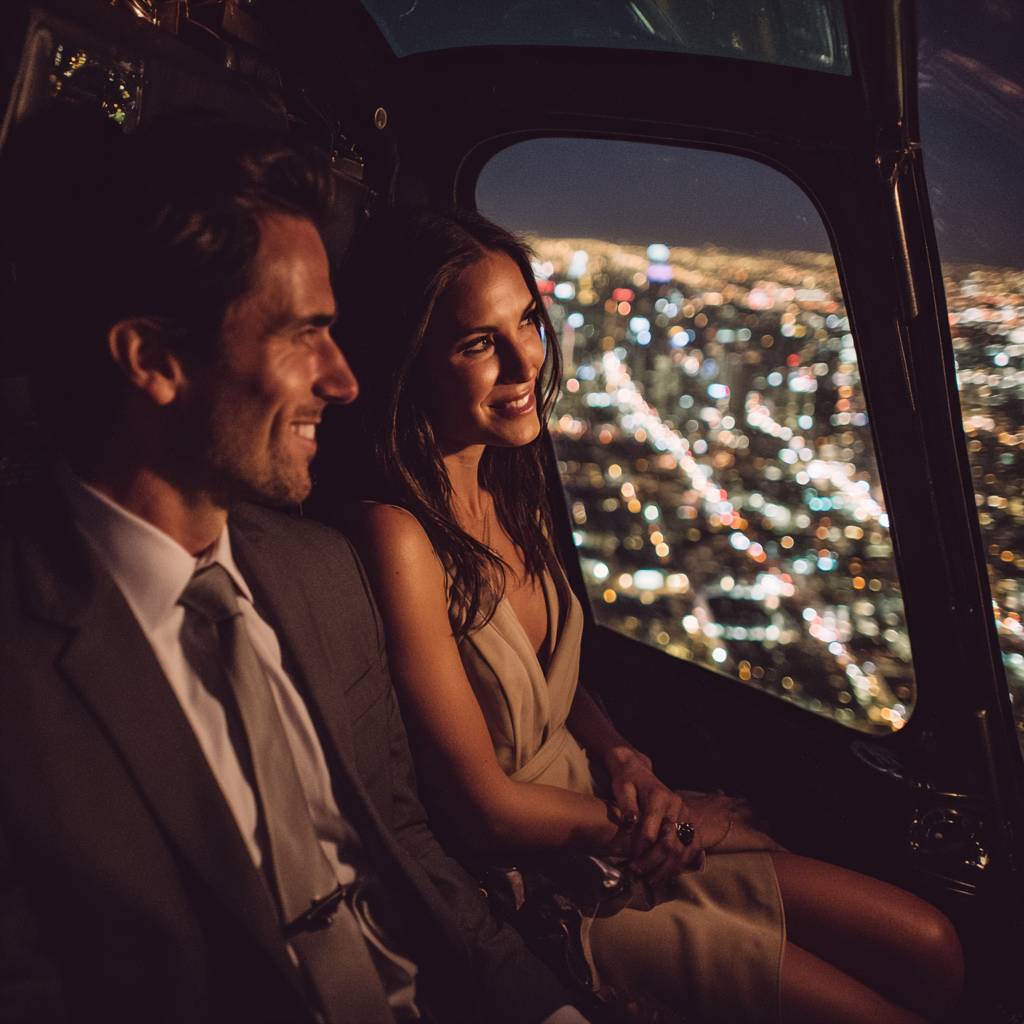
At night, LA becomes a circuit board—grids, stadiums, and the Strip glow vividly. You’ll trade fine detail for luminous patterns, so bring fast lenses and stabilize your camera. For haze, choose mornings after onshore flow; for color, aim one hour before sunset.
Safety Essentials: Operators, Certifications, and Weather Policies
Before you book, vet the operator as carefully as you plan your photo gear. Start with operator reputation: scan FAA records, independent reviews, and incident histories, not just star ratings. Ask for certification verification—Part 135 certificates for on-demand operations, pilot currency, and maintenance documentation. You’re looking for transparent safety protocols: preflight briefings, life vests when applicable, headsets with active noise reduction, and clear emergency procedures.
Probe weather guidelines. Credible operators define minimum ceilings, visibility thresholds, and wind limits, and they’ll scrub flights early rather than “wait and see.” Confirm how they evaluate marine layer intrusions and Santa Ana winds, plus their go/no-go decision chain. Finally, verify real-time comms: SMS updates, radar tracking, and rapid rebooking options. Safety isn’t a slogan—it’s a system you can audit.
Seating, Weight Limits, and Passenger Logistics
With safety standards squared away, focus on how you’ll actually fit in the aircraft—physically and logistically. Helicopters have compact cabins, so confirm seating arrangements when booking. Operators typically assign seats to balance weight distribution, not seniority, and they may ask for your exact weight at check-in. Be honest; it’s a safety requirement, not a judgment.
Aim for soft, fitted clothing and minimal accessories; headsets and harnesses need room. If doors-off is offered, secure everything and expect cooler temps. Arrive early to weigh bags—most operators cap purses and cameras only. If you want a window, request it, but know the pilot has final say to optimize performance. Communicate mobility needs in advance. Finally, brief companions on boarding steps and buckling to speed turnaround.
Pricing, Packages, and How to Get the Best Value
Even if you’re chasing skyline glamour, pricing on LA helicopter tours comes down to flight time, route complexity, and demand. Short hops (10–15 minutes) cost less but skip coastal sweeps; longer loops add beaches, Griffith, and downtown stacks. Use pricing strategies: fly weekday mornings, shoulder seasons, or last-minute standby for savings. Do package comparisons across operators—night flights, private cabins, or doors-off cost more, but bundled extras (photos, transfers, champagne) may beat à la carte.
Check fuel surcharges, landing fees, and per-seat vs. private charter models; per-seat is cheaper, private buys flexibility. Verify weight-based differentials upfront to avoid surprises. Stack value with multi-passenger discounts, gift-card promos, and loyalty credits. Book direct for transparent rescheduling policies, and confirm cancellation windows before committing.
What to Wear and What to Bring (and Leave Behind)
Although the rotor wash feels exciting, dress for function: wear fitted, layered clothing and closed‑toe shoes so loose fabric or sandals don’t flap or snag during boarding. Choose footwear options with grippy soles—sneakers or lightweight boots—so you’re steady on metal steps. For weather considerations, remember LA’s microclimates: mornings can be cool and hazy, afternoons warm, evenings breezy. Pack a light jacket; avoid scarves, hats without chin straps, and dangling jewelry.
Bring only essentials: government ID, reservation details, sunglasses with snug frames, and a compact lip balm. Use a small, zippered bag that can be secured under your seat. Leave behind umbrellas, loose caps, selfie sticks, and anything that can become FOD (foreign object debris). Follow operator weight-and-balance limits to keep the flight safe and smooth.
Photography and Video Tips for Stunning Aerial Shots
You’ll get sharper results by using a fast shutter (1/1000s+), burst mode, and a mid-range zoom or wide prime, keeping ISO as low as light allows. From altitude, compose with leading lines like Pacific Coast Highway or the LA River, shoot oblique angles for depth, and bracket exposures to handle haze and high contrast. Stabilize with image stabilization on, elbows tucked, lens hood off near open windows, and always secure straps and loose items per the pilot’s safety brief.
Gear and Settings
Before the rotors spin, dial in the right kit and camera settings so your aerial shots look crisp, cinematic, and steady. Pack light: a stabilized body or action cam, ultra‑wide and mid‑zoom lenses (24–70mm), a circular polarizer, extra batteries, and high‑speed cards. Prioritize vibration control—use in‑body stabilization plus optical IS, or a gimbal for action cams.
Dial fast shutter speeds (1/1000–1/2000) to freeze vibration; open apertures to f/2.8–f/5.6; set Auto ISO with a ceiling that preserves detail. For video, lock 24/30/60 fps with a 180‑degree rule; use ND filters to keep motion natural. Shoot RAW + flat/log profiles for flexible grading. Enable continuous AF with subject tracking. Finally, confirm gear recommendations with your operator—some tours restrict lens changes or mounts.
Composition From Altitude
Three principles anchor compelling aerial composition: strong geometry, layered depth, and purposeful scale. From helicopter altitude perspectives, you can turn LA’s gridded boulevards, coastline arcs, and skyline edges into bold aerial compositions. Seek graphic anchors—freeways as leading lines, the LA River as a serpentine curve, the Pier as a focal node. Stack depth by pairing foreground rooftops, midground landmarks, and distant mountains; you’ll guide the eye and communicate scale. Frame shadows as design elements during golden hour to sculpt contrast. Shift slightly to reduce clutter and align horizons cleanly. Think in series: vary altitude and angle to build a narrative sequence.
- Use negative space to isolate icons.
- Exploit repeating patterns.
- Translate curves into dynamic diagonals.
- Let light dictate structure.
- Sequence wide-to-tight for story.
Stabilization and Safety
While the city unfurls beneath you, stabilization and safety start with discipline: brief with your pilot, secure all loose gear, and define clear communication cues for banking, hovering, and speed changes. Lock wrist straps, stow lens caps, and use a short tether for your camera. For stabilization techniques, favor higher shutter speeds (1/1000+) and shoot in burst to counter rotor vibration. Use in-lens or in-body stabilization, but avoid gimbals that fight downdraft; a compact gyro or rubber isolation mount works better. Plant elbows to your vest, not the airframe, and exhale gently on release. Keep doors-off lanyards clipped; that’s a non-negotiable safety measure. Monitor horizon drift with the grid, and request smooth arcs over rapid pivots to maintain sharpness.
Motion Comfort and Preparing for Your First Flight
Worried about motion sickness? Sit near the center seats, fix your gaze on the horizon, skip heavy meals and alcohol beforehand, and consider ginger or an anti-nausea wristband or medication (with your doctor’s okay). Wear snug, layered clothing, closed-toe shoes, and avoid loose hats or scarves that can flap in rotor wash and distract you.
Minimizing Motion Sickness
Even if you’ve got a sturdy stomach, a helicopter’s quick turns, vibrations, and changing altitudes can trigger queasiness—so plan ahead to stay comfortable. Start with smart pre flight preparation: eat a light, bland snack, hydrate, and skip alcohol. Choose a forward-facing seat if available, keep cool air flowing, and lock your gaze on the horizon to stabilize your inner ear. Pack motion sickness remedies—ginger chews, acupressure wristbands, or medicated options approved by your doctor—and take them on schedule. Breathe slowly, avoid screens, and let the pilot know if you’re sensitive; they can moderate maneuvers.
- Prioritize horizon-focused sightlines
- Time medications to peak mid-flight
- Use cool airflow to reduce nausea signals
- Practice box breathing to reset balance
- Trial remedies during pre flight preparation
What to Wear
Keeping your stomach settled is easier when your outfit supports comfort and temperature control. Prioritize breathable layers—think moisture-wicking base and a light jacket—so you can adapt to altitude shifts and rotor-wash chills. For climate considerations in Los Angeles, morning marine layer can feel cool, while midday heat reflects off tarmac; layers solve both. Choose soft, nonrestrictive fabrics that enable personal comfort and easy movement when boarding.
Wear closed-toe, low-profile shoes for stability on steps and ramps. Opt for slim-fitting garments; loose pieces can flap, distract, or snag seatbelts. Avoid dangling accessories and big earrings; they clash with headsets. Polarized sunglasses reduce glare without interfering with visibility. Tie back long hair. Pack a compact, non-bulky bag. Finally, dress in muted colors to minimize reflections in window photos.
Conclusion
You’re ready to lift off. Choose a route that matches your must-see list, book the best light, and fly with a certified operator. Worried it’s too pricey? Split a shared tour, watch for midweek deals, and skip add-ons you don’t need—you’ll get world-class views without overspending. Wear layers, secure loose items, and confirm weight and seating policies. Bring a polarizing filter, shoot wide, and brace your elbows. Breathe—motion discomfort passes quickly once the skyline steals your attention.