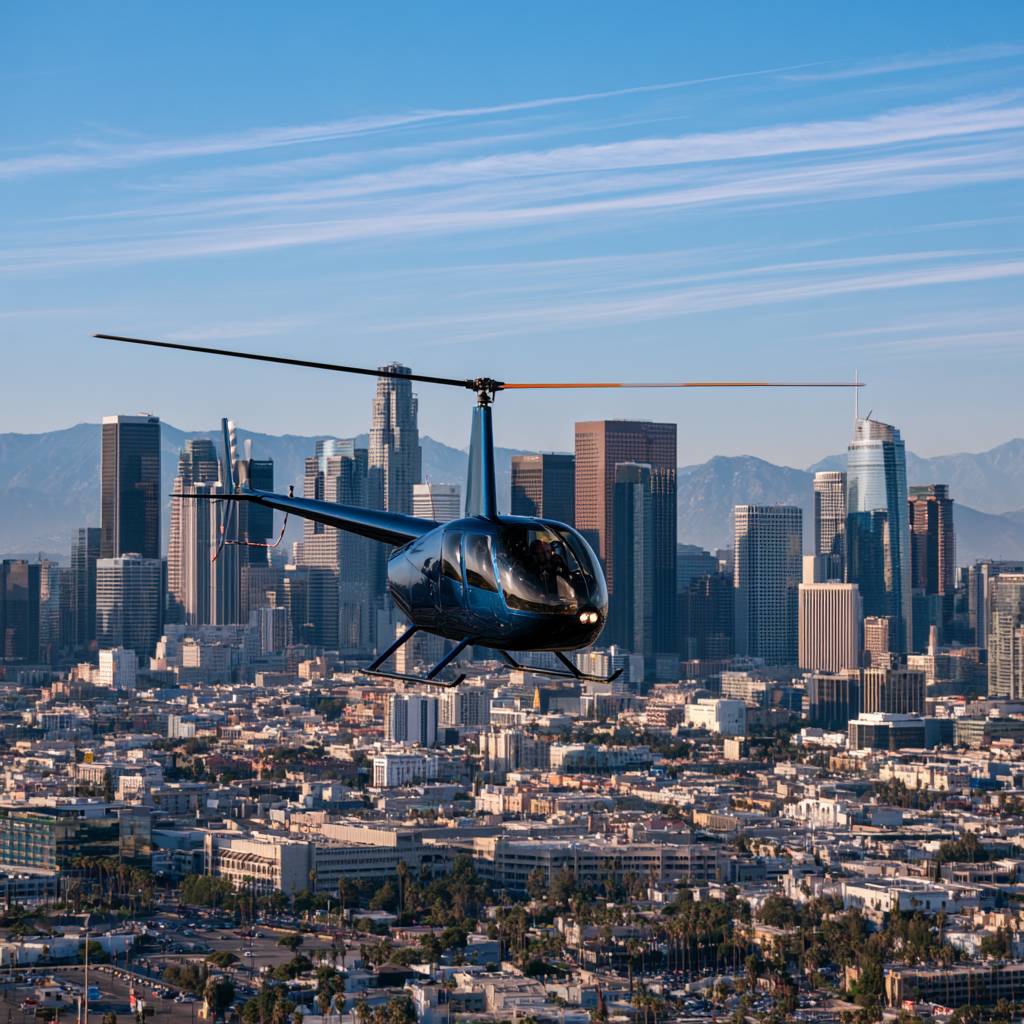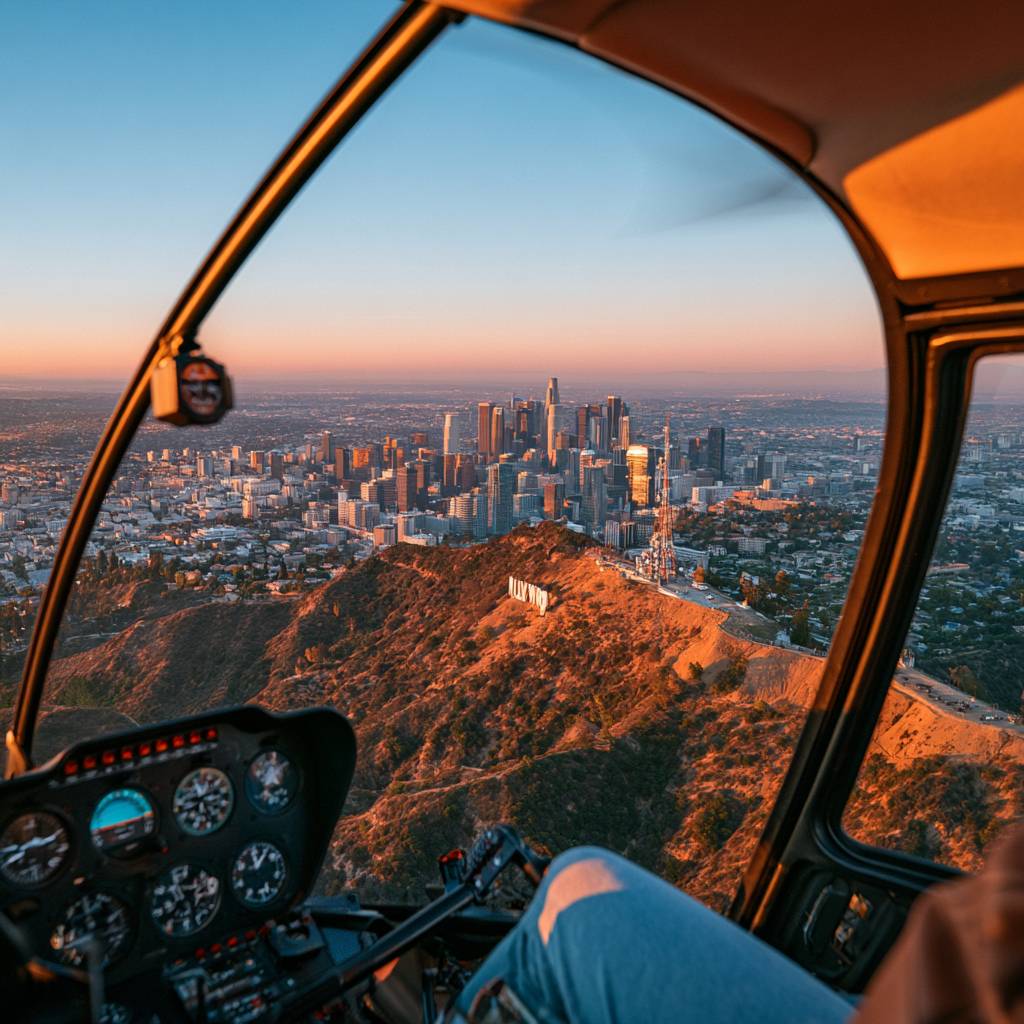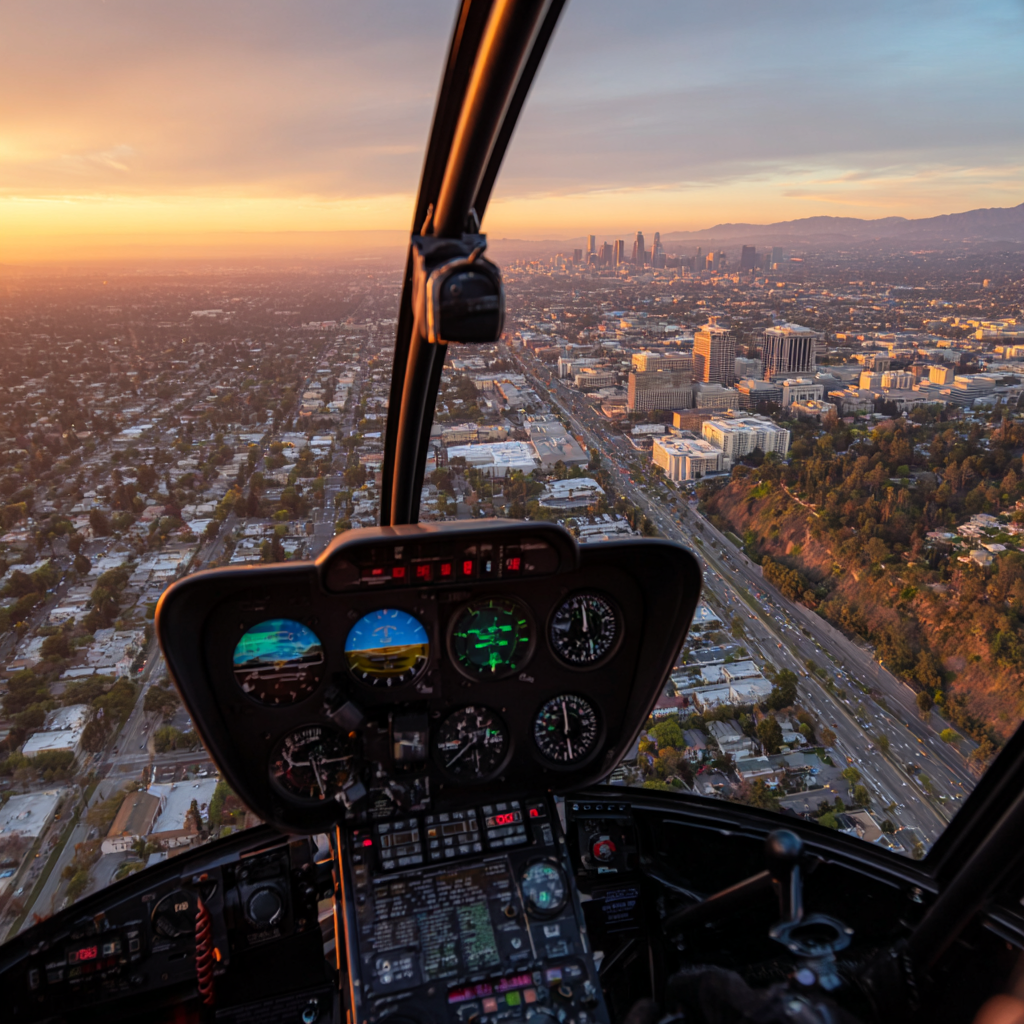
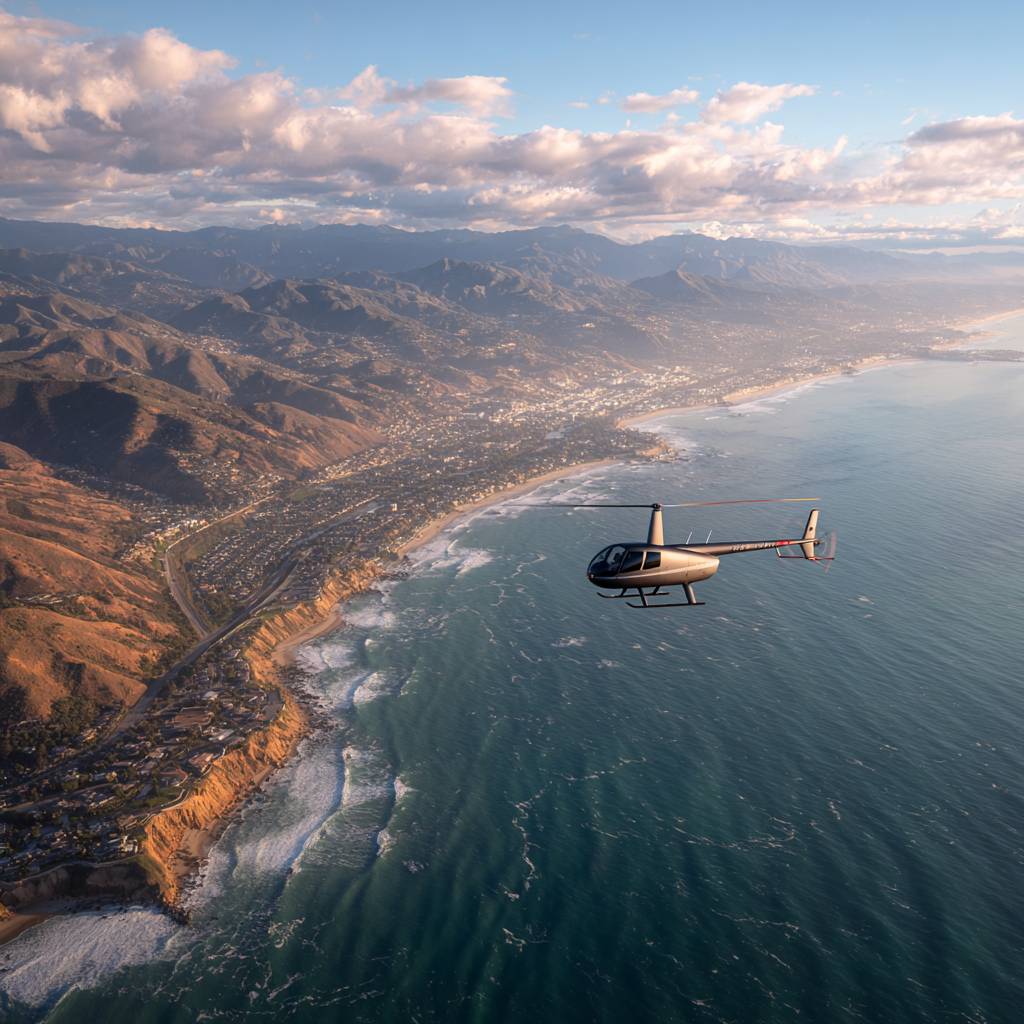
Expect a smooth check-in, accurate manifest, and a thorough safety briefing covering rotor awareness, approach paths, restraints, and emergency egress. You’ll wear layers and closed-toe shoes, bring ID, and use minimal loose items. Seats are assigned by weight-and-balance. You’ll use ANR headsets with clear mic placement and succinct calls. Flights range from 8 to 45 minutes with skyline or shoreline routes, adjusted for views and weather. Strict FAA/CAA protocols guide go/no-go decisions, rebooking, and post‑flight steps—here’s how it all works.
Check-In, Safety Briefing, and What Happens Before You Fly
Before wheels ever lift, you’ll check in, verify your ID and weight, and get assigned a seat based on aircraft balance. The check-in process confirms your reservation window, aligns passenger counts with fuel planning, and enables manifest accuracy. Ground staff brief you on hangar movement, rotor arc awareness, and marshalling signals. You’ll review safety procedures covering approach/egress paths, door operation, restraint systems, and emergency egress. The pilot outlines route, altitudes, airspace constraints, and weather, plus contingency plans. You’ll silence devices as instructed, stow loose items per crew guidance, and receive a headset fit check to guarantee a clear intercom. Finally, you’ll proceed under escort, keep low near the helicopter, and board in sequence, fastening belts and confirming latches before engine start.
What to Wear and What to Bring for a Comfortable Ride
You’ll dress in weather-appropriate layers to handle temperature shifts from the hangar to altitude. You’ll choose secure, closed-toe footwear with good traction to navigate ramps and skid steps safely. You’ll pack essentials like photo ID, sunglasses, a snug-fitting headset-compatible hat, and minimal loose items stored in a zipper pouch per operator policy.
Weather-Appropriate Layers
Although cabins are enclosed, rotor wash and altitude changes make the temperature feel cooler than on the ground, so plan a layered system you can adjust quickly. Prioritize helicopter clothing that manages temperature considerations and airflow without bulk. Start with a moisture-wicking base layer to regulate perspiration during climb and descent. Add a light insulating mid-layer—thin fleece or active-insulation synthetic—so you retain warmth without restricting harness fit. Finish with a softshell or lightweight windproof jacket; it blocks drafts during loading and offers quick venting.
Choose materials that resist snagging and minimize noise against the seat or headset cable. Opt for fitted cuffs and short hems to avoid interference with buckles. Pack a compact layer in a small zip pocket; avoid oversized bags that complicate boarding.
Secure Footwear Choices
Footwork matters: wear closed‑toe, low‑profile shoes with firm heel retention and non‑slip, low‑tread soles for stable footing on slick pads and step rails. You’ll step around rotor wash, polished skids, and metal thresholds, so prioritize traction and control over bulk. Evaluate footwear materials for durability and wet performance—synthetic uppers shed moisture and dry fast; leather supports and stabilizes. Look for engineered grip features such as siped rubber compounds and beveled edges that maintain contact on aluminum and painted concrete. Avoid high heels, open toes, and thick-lug hiking soles that can catch on hardware.
- Minimalist trainers with rigid heel cups and flat profiles
- Lightweight approach shoes with sticky rubber outsoles
- Low-cut work sneakers with toe protection
- Weather-resistant, mid-friction compounds optimized for smooth surfaces
Essentials to Pack
Three categories cover the essentials: layered clothing, compact comfort items, and documentation. Build a packing checklist around temperature variability and safety. Wear breathable base layers, a light insulating mid-layer, and a wind-resistant shell; cabin temperatures fluctuate with altitude and rotor wash. Choose slim gloves and sunglasses with polarization to reduce glare without bulk. Bring only essential items: government ID, booking confirmation, and a payment method for incidentals.
Prioritize compact comfort: soft-foam earplugs (backup to the headset), motion-sickness tablets if you’re sensitive, and a microfiber cloth for visor or lens cleaning. Pack a small water bottle with a secure cap and avoid loose hats or scarves. Use a compact crossbody or zip pouch; stow cameras with wrist straps. Follow operator weight and lithium battery limits to streamline boarding.
Seating, Weight Balance, and How Spots Are Assigned
Because helicopters are sensitive to center-of-gravity limits, operators assign seats to balance weight across the cabin and along the longitudinal axis. You won’t pick seats at random; staff use your declared weight to engineer seating arrangements that keep controls responsive and performance efficient. Weight distribution influences takeoff margin, hover stability, and fuel planning, so accuracy matters. Expect minor swaps at boarding to refine balance based on actual passenger mix and optional equipment installed.
- You’ll step on a discreet scale or confirm weight during check-in for precise load calculations.
- Crews spread mass laterally and fore-aft to keep the CG within limits.
- Front seats may prioritize lighter passengers for trim neutrality.
- Final assignments consider aircraft model, fuel load, and ambient conditions.
Headsets, In-Flight Communication, and Photo Tips
You’ll wear an active noise-reduction headset that protects hearing and lets you hear intercom and ATC clearly. Use the push-to-talk or VOX settings as briefed to communicate with your pilot, and keep transmissions concise. For photos, brace the lens near (not against) the window to reduce vibration, shoot slightly forward or aft to avoid rotor blur, and polarize carefully to manage glare.
Noise-Canceling Headset Basics
While rotor wash and engine whine define a helicopter’s soundscape, a noise-canceling aviation headset turns that chaos into clear, manageable audio. You’ll benefit from noise cancellation technology that samples cabin low-frequency rumble and generates inverse waves, reducing fatigue and preserving situational awareness. Expect sealed earcups and light clamping force for headset comfort during dynamic maneuvers. Keep the mic a finger-width from your lips to capture your voice cleanly while minimizing rotor harmonics.
- Adjust the headband so ear seals center over your canals; tiny leaks degrade attenuation.
- Route the cable away from door sills and seat rails to prevent snags during boarding.
- Use the ANR power check before liftoff; carry spare batteries if applicable.
- For photos, lift one earcup briefly—never remove the headset—to avoid exposure spikes.
Talking With Your Pilot
During climb and cruise, press-to-talk or voice-activated (VOX) captures your input; speak clearly, pause, then release. Expect the pilot to prioritize ATC; brief acknowledgments keep the loop efficient. For photos, request a “steady” or “slow right” rather than pointing—translate intent into maneuver language. Secure loose items, manage straps, and avoid blocking instruments while framing your shot.
Best Angles for Photos
With clear calls to the pilot sorted, focus on compositions that use the rotor arc, skid, and horizon line to anchor the frame. Stabilize your elbows against the harness, shoot slightly forward of the skid, and include cockpit elements to add scale. For ideal photo composition, request gentle orbits; the bank reveals leading lines from coastline, freeway, or ridgeline. Use lighting techniques that favor side light—golden hour reduces glare and enhances texture. Kill interior reflections by pressing the lens to the window or using a rubber hood. Set fast shutter speeds (1/1000s+) to counter vibration.
- Frame the rotor arc at the top third; anchor the skid low-left.
- Shoot oblique, 30–45° off-nadir for depth.
- Use polarized filter cautiously; monitor rainbowing.
- Communicate altitudes for subject scale.
Flight Duration, Routes, and Sights You’ll See
Because operators tailor flights to local airspace and demand, expect durations to range from quick 8–12 minute city intro hops to 25–45 minute scenic circuits and 60+ minute extended tours. You’ll select a route profile aligned with your flight experience goals: skyline or shoreline passages, landmark orbits, and corridor runs connecting multiple districts. Pilots brief you on headings, altitudes, and waypoints, then fly stabilized legs that enhance scenic views while complying with noise-sensitive zones and Class B/C boundaries.
Typical routes stack highlights efficiently: harbor entries, stadium passes, bridge crossings, ridgeline contours, and coastal arcs. Extended tours add lateral range for canyons, islands, or wine-country grids. Expect right-seat or left-seat biasing for ideal sightlines, gentle orbits around primary features, and smooth changes that keep cameras steady.
Weather, Rescheduling, and How We Keep You Safe
Weather drives go/no-go decisions, and operators apply strict FAA/CAA rules, company SOPs, and real-time data to keep you safe. You’ll see crews synthesize METARs, TAFs, radar, satellite, and pilot reports to evaluate ceiling, visibility, winds, and convective risk. If thresholds aren’t met, the flight holds or cancels—no exceptions. Our rescheduling policies prioritize your time while preserving weather safety, rebooking you into the next viable window without fees for weather-driven disruptions.
- Dynamic assessments using ADS-B weather overlays and onboard instrumentation verify local conditions.
- Pilots brief wind limits, terrain, and escape routes; dispatch tracks alternates and fuel contingencies.
- If marine layer or gust fronts degrade margins, you’ll receive rapid SMS/email updates and options.
- Flexible rebooking, vouchers, or refunds apply per policy when conditions don’t clear safely.
After Landing: Photos, Next Steps, and Making the Most of Your Visit
Curious what happens once the rotors spool down? You’ll wait for the crew’s signal, exit along the marked path, and keep clear of the tail. A safety attendant will guide you to a designated photo zone where you can capture the aircraft without rotor wash. If you brought action cams, secure blades-off shots now; avoid stepping onto restricted surfaces.
Next, confirm your weight-and-balance details were logged, return headsets, and retrieve any stowed items. Your pilot or dispatcher can review flight path highlights and answer quick technical questions. To extend your post flight experiences, check availability for a hangar walk-through or simulator demo if offered.
Before departing, consider exploring surroundings—nearby overlooks, aviation museums, or coastal viewpoints—to contextualize what you saw from the air and round out your visit.
Conclusion
You’ll wrap up confident and ready to fly again. Helicopters are remarkably safe: the U.S. GA fatal accident rate for helicopters was about 0.63 per 100,000 flight hours in 2023, reflecting rigorous training and maintenance standards. You’ll know what to wear, how seating is balanced, how headsets work, and when to snap photos. Weather and rescheduling policies protect your experience. After landing, grab photos, check souvenirs, and book your next route to see new sights from a precise, stable platform.