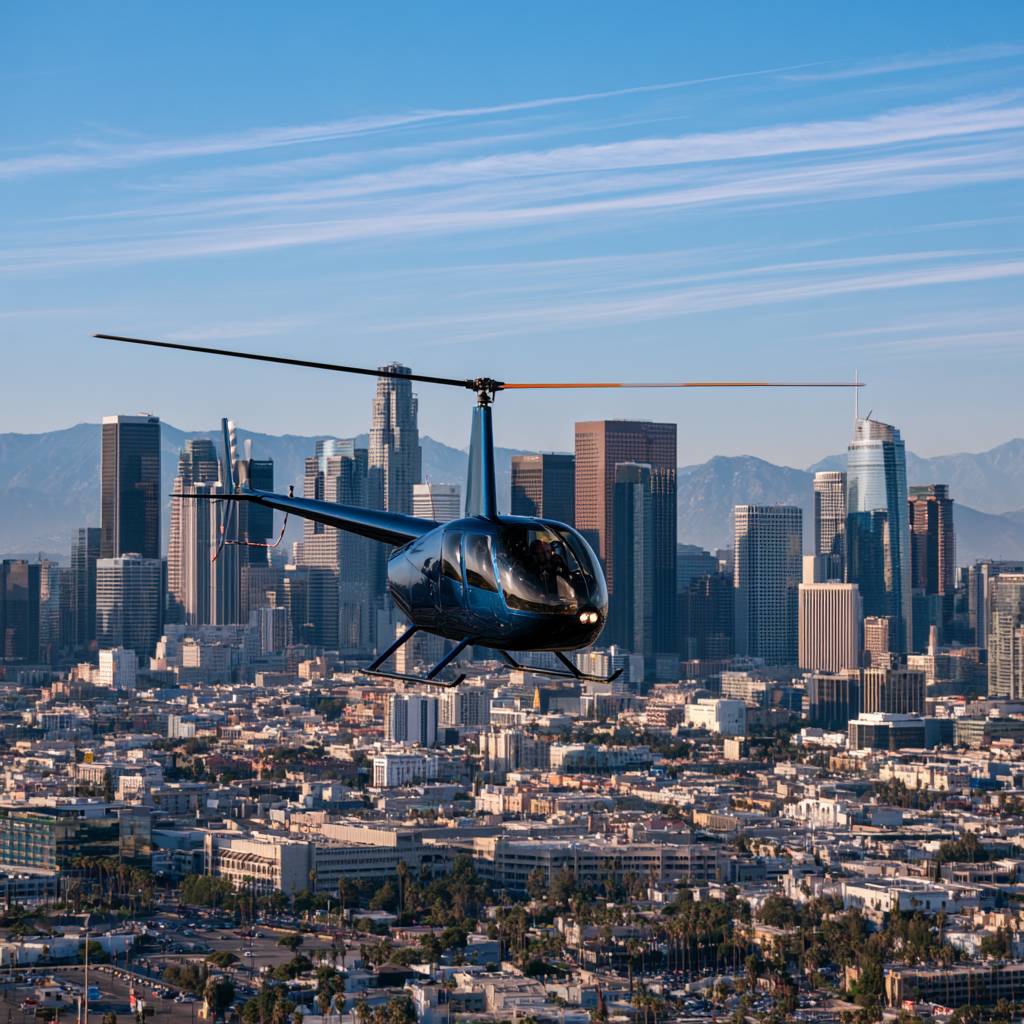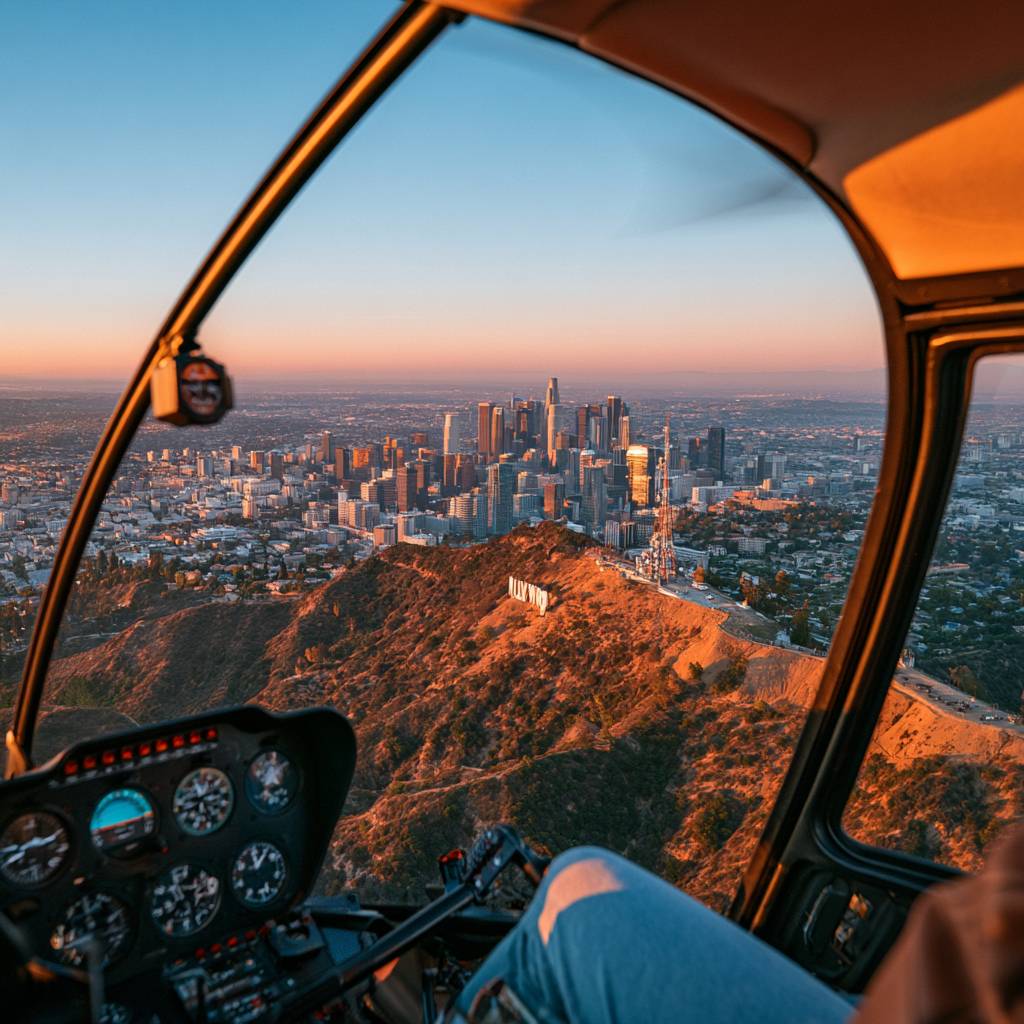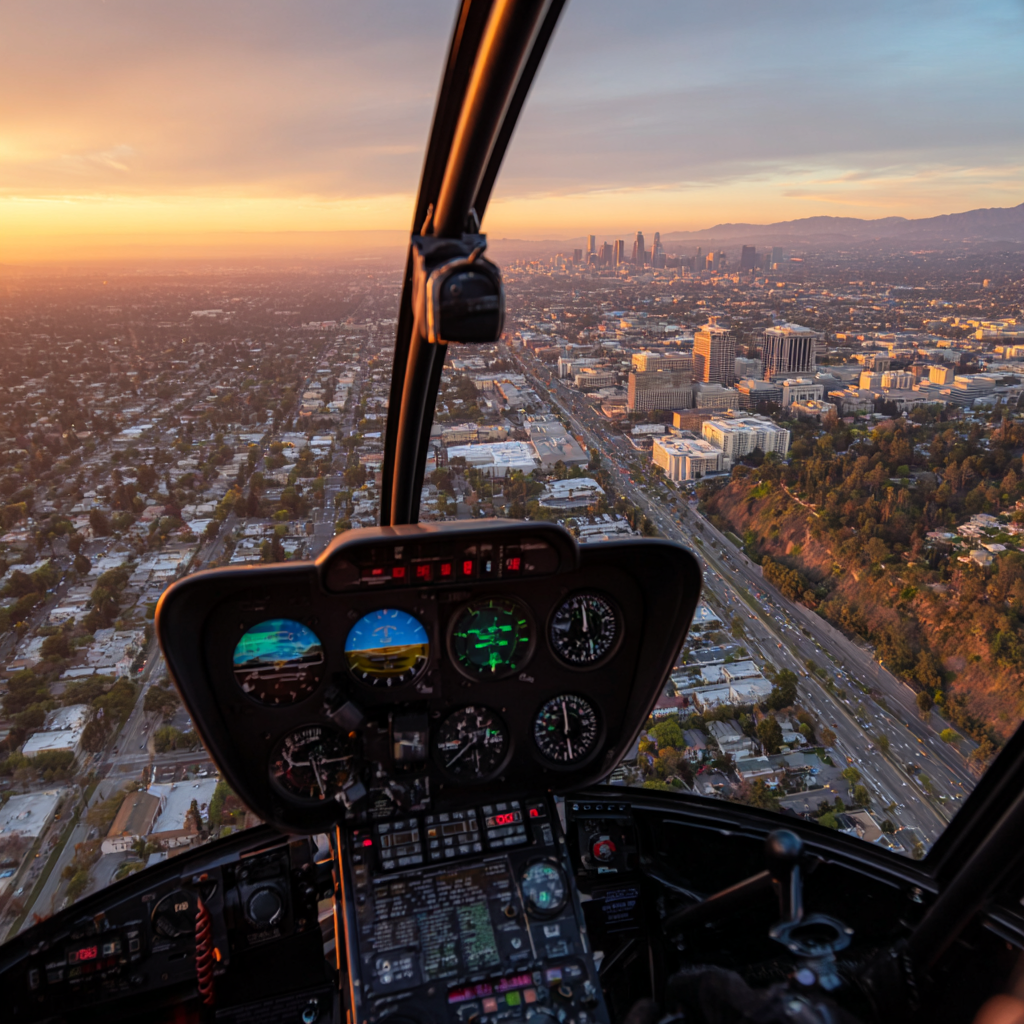
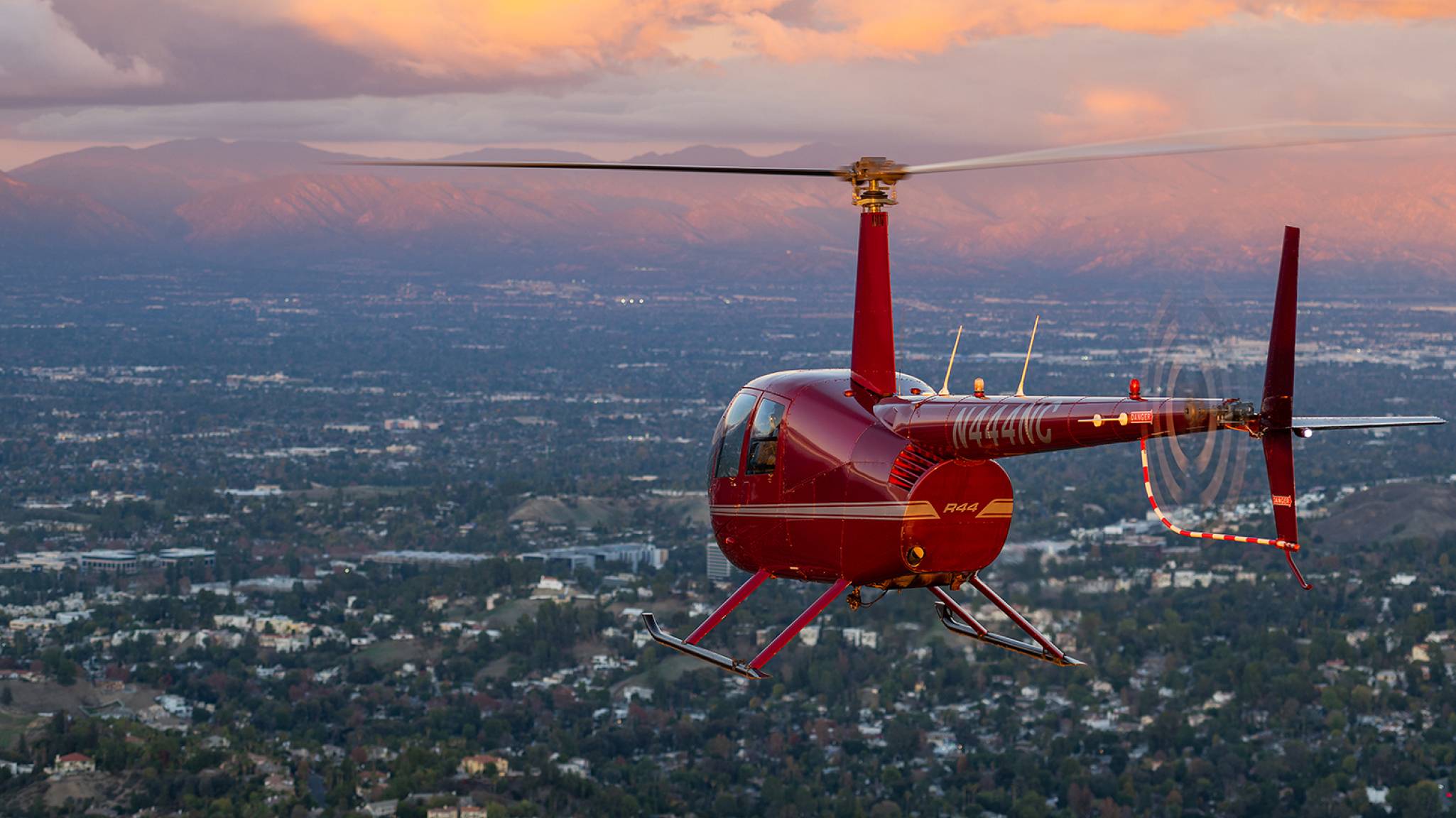
Lock in golden hour (last 90 minutes before sunset), map a minimal‑turn route from the closest heliport (VNY/HHR/LGB) to your milestone—proposal at Griffith, Malibu anniversary, or DTLA birthday—and confirm operator altitude windows. Book midweek to cut costs and congestion, monitor 8+ mile visibility and winds under 12 knots, and request wheels‑up 20–30 minutes into the window. Add a curated 20–30 minute playlist, compact champagne service, low‑profile florals, and a photo shot list synced by waypoint to learn how.
Choosing the Perfect Route for Your Milestone
Before you book, define the milestone, your must-see landmarks, and your time and budget limits—these drive the route. Start route selection by mapping priorities: proposal at Griffith Observatory, anniversary over Malibu, or birthday looping DTLA’s skyline. List scenic highlights in sequence to minimize flight time and turns; cluster coastal or canyon legs to cut repositioning fees. Confirm heliport options (VNY, HHR, LGB) and pick the closest start to your first landmark to reduce taxi time.
Ask operators for altitude windows and routing constraints so you don’t miss key angles. Request a custom flight path with time-stamped waypoints and estimated minutes per segment. Build contingencies: an alternate inland loop if marine layer creeps coastward. Lock in seating—right-side passes favor coastal vistas.
Best Times to Fly for Golden Light and Clear Views
While LA dazzles year-round, you’ll get the best mix of golden light and visibility by targeting the last 90 minutes before sunset or the first 45 minutes after sunrise. These windows deliver golden hour contrast—crisp skylines, saturated colors, and dramatic shadows—for the most efficient photo passes and scenic views.
Check marine layer trends: coastal haze often lingers mornings, clearing by late afternoon. For Hollywood Sign and Griffith, sunrise is cleaner; for Downtown-to-coast circuits, late-day light wins. Avoid midday thermals; they add bumps and reduce clarity.
Book midweek slots to cut cost and airspace congestion. Confirm civil sunrise/sunset times, then request wheels-up 20–30 minutes into the window. Choose west-facing routes at sunset, east-facing at sunrise. If flexibility exists, monitor visibility (8+ miles) and winds (<12 knots) before committing.
Personalizing the Experience With Themes and Music
Even on a tight budget, you can tailor an LA helicopter tour with simple, high‑impact touches: pick a theme (engagement, birthday, film‑lover’s skyline crawl) and align route, wardrobe colors, and photo cues to match. Confirm the operator’s policies first: ask about adhesive-only customized decorations, weight limits, and pre-loading thematic playlists onto the intercom system. For a film theme, request passes over recognizable landmarks in sequence; for birthdays, coordinate a pilot callout timed to your favorite track’s chorus. Curate a 20–30 minute playlist to match flight duration and engine noise levels; favor punchy, high‑mid mixes. Pack compact props—ribbons, small banners, or color-coded lanyards—secured with removable tape. Share a shot list and timing marks, syncing turns, skyline reveals, and music cues for crisp, cinematic moments.
Luxury Add-Ons: Champagne, Floral Touches, and More
You’ve set the theme and soundtrack; now layer in luxury add-ons that feel premium without bloat. Start with champagne upgrades: confirm the operator’s policy, choose split bottles or a single premium label, and request non-glass flutes if required. Pre-chill to reduce weight and avoid ice. Pair with compact grazing boxes—protein-forward to prevent spills—sized to your flight duration.
For floral arrangements, think aerodynamic and secure. Opt for low-profile bouquets or wrist corsages over loose stems. Ask for unscented varieties to avoid overpowering aromas in a tight cabin. Coordinate colors with sunset timing for photos, and specify ribbon ties instead of pins.
Add discreet touches—warm blankets, custom route cards, and LED-safe accents. Bundle services through the operator to streamline vetting, insurance, and preflight checks.
Proposal and Surprise Planning Made Seamless
Because proposals hinge on timing and stealth, map the surprise like a flight plan: lock a date with sunset buffers, confirm the operator’s surprise-friendly policies, and assign roles (pilot cue, ground photographer, decoy planner). Build contingencies: marine layer backup, alternate route, spare ring box. Keep costs lean by bundling landing fees and short-ground-stop permits; request transparent pricing for door-off options and headset music integration. Curate proposal ideas that align with your partner’s comfort—smooth orbits over landmarks, a private helipad reveal, or a quick landing for a quiet yes. Sequence the surprise elements so nothing feels staged, just effortless.
- Discreet comms: code phrase with pilot; silent signal at waypoint
- Weather matrix: primary, backup, no-go thresholds
- Ring logistics: secure lanyard, pocket check, decoy case
- Story cover: plausible outing, calendar invite, timed rideshare
Photography and Videography Tips for Cinematic Memories
You’ll get cleaner aerial shots by packing a stabilized phone or action cam with ND filters, spare batteries, and a wrist tether—skip pricey rigs you won’t use. Plan for light and angles: book golden hour, sit on the shadow side, kill interior reflections with a rubber lens hood, and brief the pilot for slow orbits over key landmarks. Storyboard your flight in beats (departure, skyline, coastline, finale), assign shot lengths, and set a shot priority list so you don’t overspend time circling.
Gear for Aerial Shots
Checklists keep your aerial kit lean and ready: start with a stabilized camera setup (a compact mirrorless with good IBIS, like a Sony a7C II or Canon R8) paired with a lightweight zoom (24–70mm or 24–105mm) to cover cityscapes and close-ups without lens swaps. Keep camera equipment minimal to reduce fatigue and speed your workflow. Bring a compact action cam as a B-cam for insurance angles. Pack extra batteries and large, fast cards; you won’t want mid-air swaps.
- Low-profile rigging: wrist strap or short safety tether; avoid neck straps that whip in rotor wash.
- Variable ND filters (2–5 stop) to hold cinematic shutter without overexposure.
- On-camera mic with foam+deadcat; log profiles for flexible grading.
- Microfiber, blower, and zip bags for dust, salt, and quick stow.
Optimize for reliability and weight in aerial photography.
Mastering Light and Angles
While the skyline sells the shot, light and angle make it cinematic: plan your route and timing around golden hour to avoid harsh midday contrast, then seat on the shadow side of the helicopter to keep subjects front-lit and reflections minimal. Use simple lighting techniques: lock exposure for highlights, underexpose by 1/3 stop to protect neon and sunset detail, and enable a flat profile for latitude. Keep windows clean; smudges amplify flare.
Work angle variations efficiently. For landmarks, start wide at 45 degrees, then pivot to near-vertical for graphic symmetry. Banked turns create leading lines—shoot burst as the aircraft rolls to catch the apex. If doors-on, press the lens hood to glass; doors-off, use a short strap and stabilize with your elbows, not the airframe.
Storyboarding Your Flight
With light and angles mapped, plan the story beats so each minute aloft serves a purpose. Use storyboarding techniques to lock a tight flight narrative: open with lift-off reaction shots, pivot to landmarks in sequence, and close on a quiet, intimate moment before landing. Sketch a shot list by waypoint, noting focal lengths, camera positions, and audio cues. Assign roles—primary camera, phone B‑roll, and audio—so you don’t duplicate effort. Keep it lean: one gimbal, spare batteries, and neutral density filters to control shutter at altitude.
- Map timecode to landmarks and pre-set exposure targets for rapid adjustments
- Pre-visualize A-roll/B-roll pairs to compress edits and save post time
- Cue pilot-friendly notes: headings, orbits, altitude for stable frames
- Build contingency beats for haze, glare, or route changes
Comfort, Attire, and What to Bring Onboard
Because a helicopter’s cabin is compact and weight-sensitive, plan your comfort and packing with intention: wear layered, non-bulky clothing, closed-toe shoes with good grip, and avoid loose accessories that can snag or blow away. Prioritize attire that photographs well without reflective sequins; matte fabrics reduce glare through cabin windows. Opt for neutral layers to adapt to cabin temps and evening coastal airflow.
Keep onboard essentials minimal: government ID, phone, slim wallet, and soft case for sunglasses. Bring a microfiber cloth to keep lenses clear, plus a compact power bank and short cable. Choose a wrist strap for your phone; skip selfie sticks. If proposing or celebrating, use a small, hard-case box for rings or keepsakes. Pack ginger chews or mints, and a collapsible water pouch if allowed.
Safety, Weather Flexibility, and Booking Smart
Book strategically: midweek slots cost less and face fewer delays; sunrise or golden hour maximizes visibility and air smoothness. Lock a refundable fare class and add a buffer to ground timelines.
- Request written safety protocols and inspection logs
- Choose flexible tickets with clear weather conditions clauses
- Monitor METAR/TAF day-of for real-time planning
- Set a 90-minute pre/post buffer to absorb delays
Post-Flight Celebrations: Dining, Stays, and Transportation Options
After you touch down, anchor the celebration with a plan that aligns timing, budget, and traffic realities. Confirm your landing location, then map a 15–30 minute buffer for ground transfer. For post flight dining, reserve within a 2-mile radius or choose venues with validated valet to avoid surge pricing. Share dietary notes and ETA updates via text automations for seamless seating.
Optimize stays by selecting luxury accommodations near your helipad corridor—DTLA, Hollywood, or the Coast—to minimize commute risk. Compare packages bundling late check-in, breakfast credits, and flexible cancellation. For transport, stage a rideshare pickup pin at a quieter cross street, or pre-book a private sedan with flight tracking. Build contingencies: Plan B restaurant, backup route, and a rideshare price cap.
Conclusion
You’ve mapped the route, timed the light, set the playlist—now one question remains: will you lift off? Lock in your budget, confirm weather buffers, and stash the essentials: IDs, layers, ring or surprise tucked discreetly. Cue your pilot on timing, have backup dining and transport ready, and brief your photographer for that reveal shot. As the rotors whirl and the skyline glows, you’ll feel it—this is the moment. All that planning? It’s about to pay off.